Lesson
Put Risks on One Scale
Compare dangers by a common unit, not by how vivid they are.
By the Math Says Yes editorial team
Human-reviewed under our source and correction standards.
How we review content
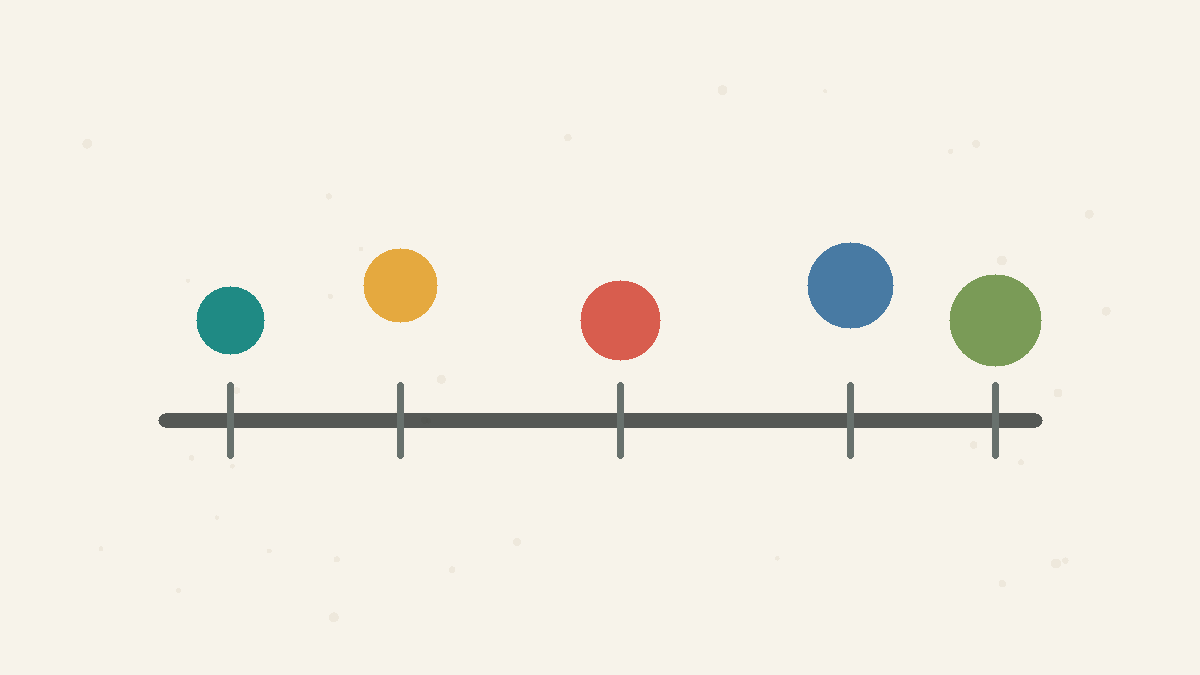
Vivid risk is not always large risk
People judge danger partly by how easily examples come to mind. Dramatic events feel common because they are memorable, newsworthy, and emotionally sharp. Boring hazards can feel small because they arrive quietly and repeatedly. This availability makes it hard to compare risks by feeling alone. A useful comparison needs a shared unit, so the vividness of the story does not decide the size of the danger.
A common unit makes risks comparable
A micromort is a one-in-a-million of death. The exact unit is less important than the habit behind it: translate different risks into the same kind of number before comparing them. Driving, surgery, climbing, infection, and workplace exposure become easier to discuss when they are placed on one scale. You can still care about context, but the first comparison is no longer controlled by fear or familiarity.
Separate probability from severity
Risk has at least two parts: how likely an outcome is and how bad it would be. People often blend them together. A catastrophic outcome with tiny can feel larger than a moderate outcome with high probability, even when the expected harm points the other way. A shared scale forces the probability into view. Then you can add severity, reversibility, fairness, and who bears the risk as separate judgment calls.
Use the scale, then keep the context
A single scale does not decide every risk question. Voluntary risks feel different from imposed risks, and repeated exposure matters more than a one-time comparison. Still, the scale is a necessary starting point. It prevents rare dramatic dangers from swallowing attention while common risks go ignored. After the numerical comparison, ask what control people have, who benefits, who pays, and whether the risk accumulates over time.
FAQ
What is a micromort useful for?
It gives very different activities a shared risk unit, so you can compare them numerically before adding emotion, context, and personal values.
Can one number capture every kind of risk?
No. A common number helps with probability, but you still need context such as severity, choice, fairness, accumulation, and who is exposed.
See it in action
Quick Check
What does one micromort represent?
A
One death per million people per year
B
A one-in-a-million chance of death
C
A one-in-a-thousand chance of injury
D
A million possible causes of death