Glossary term
Null Hypothesis
The default assumption a study tries to challenge — usually that there is no effect or no difference.
Visual intuition
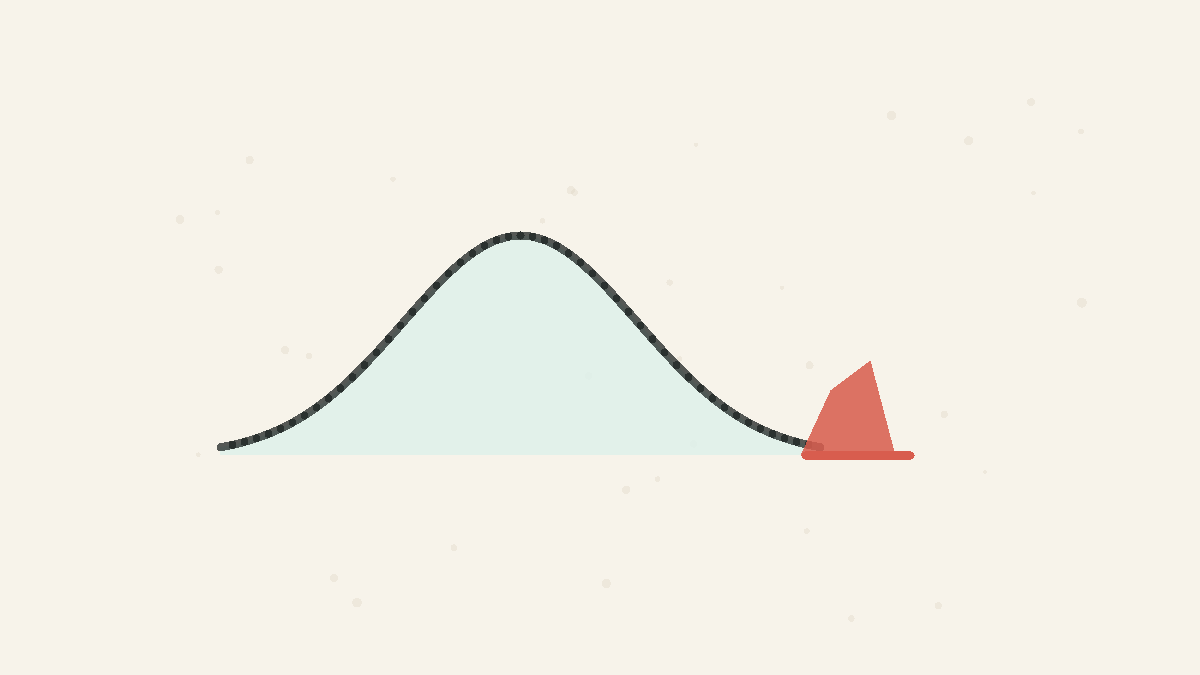
ordinary under model
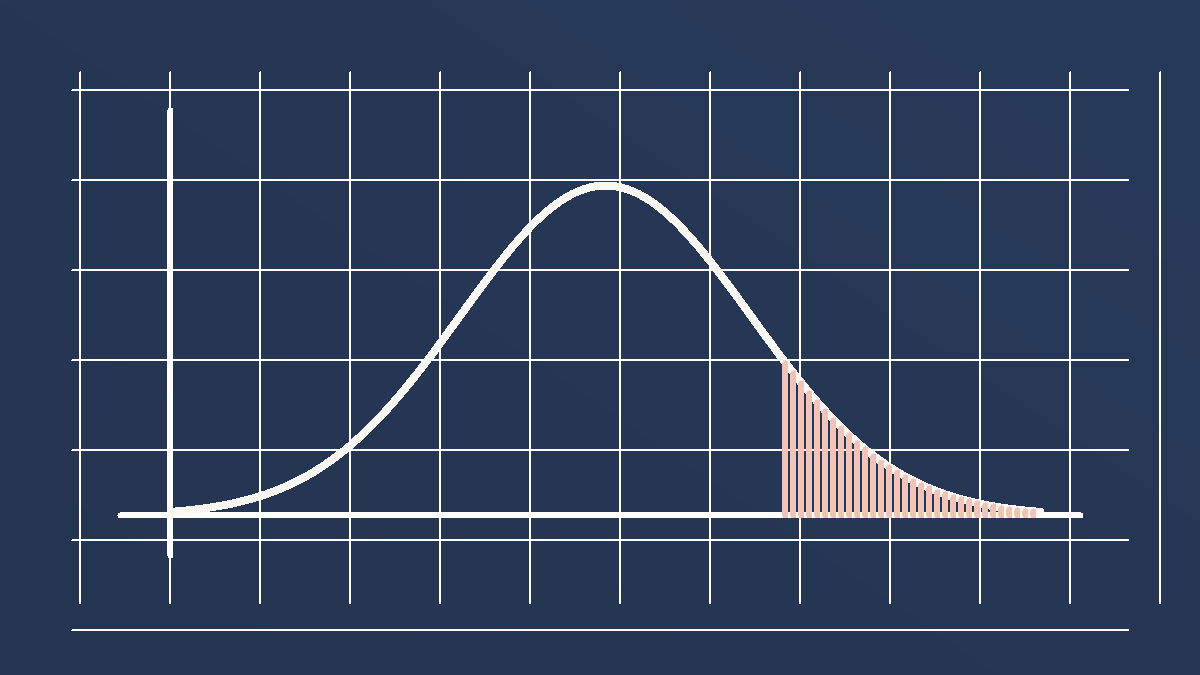
surprise zone
observed
A small p-value lands far into the surprise zone
The null hypothesis paints the 'ordinary' lane: what results look like when nothing but chance is at work.
Example
Testing a coin for fairness, the null hypothesis is 'heads comes up 50% of the time'; observing 61 heads in 100 flips is unusual enough under that assumption (p ≈ 0.04) that you would reject it.
How It Works
Statistics plays devil's advocate. Before crediting a new drug, you assume it does nothing — the null hypothesis — and ask how surprising your data would be in that boring world. Only when the data would be genuinely rare under 'nothing is going on' (a small ) do you reject the null. Failing to reject is not proof of no effect; it just means the data did not clear the bar.