Lesson
Ask for the Absolute Number
A percentage change is meaningless without the base it changes.
By the Math Says Yes editorial team
Human-reviewed under our source and correction standards.
How we review content
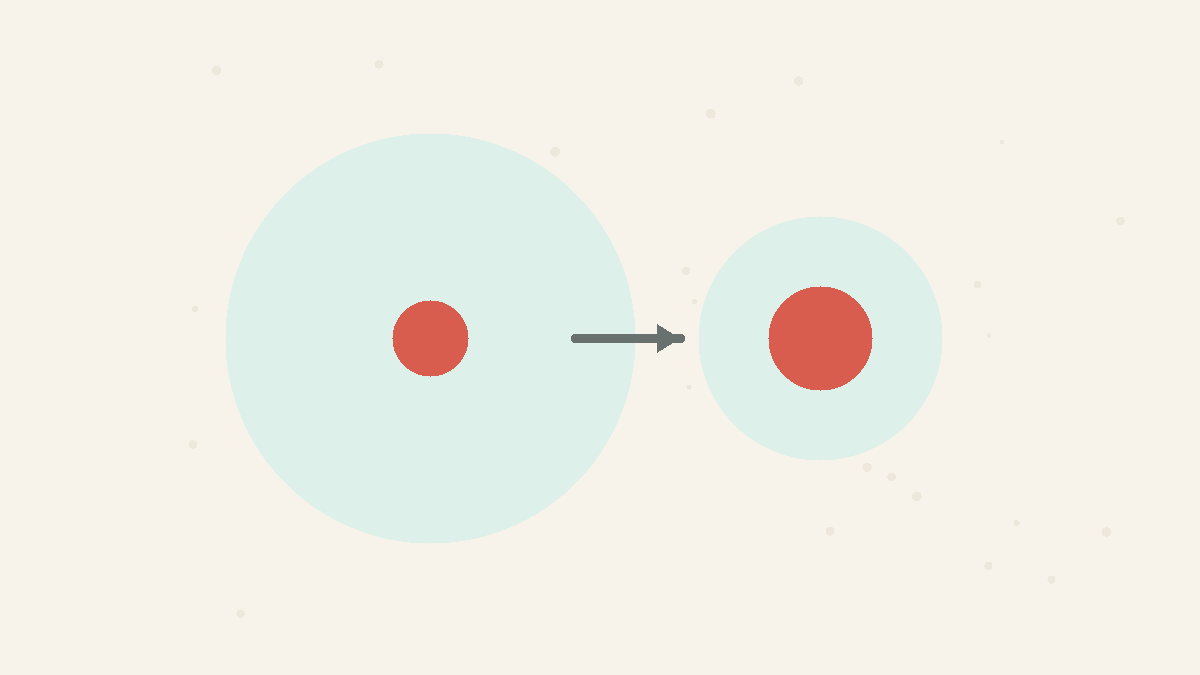
Relative change needs a base
A relative claim says how much something changed compared with where it started. That can be useful, but it is incomplete without the starting level. A 50 percent increase from 2 to 3 cases is very different from a 50 percent increase from 2,000 to 3,000 cases. The relative phrase is identical, while the real-world consequence is not. Always ask what changed in absolute terms.
Why headlines love percentages
Percentages are compact and dramatic. They are also easy to detach from the denominator. A headline that says a risk doubled may sound urgent even if the absolute movement is from 1 in 10,000 to 2 in 10,000. That change may still matter, but you cannot judge it from the relative wording alone. The absolute numbers restore scale, especially for rare outcomes.
Use the same denominator
The clearest version of a risk comparison uses the same denominator before and after. Say 2 in 1,000 becomes 3 in 1,000, or 20 out of 10,000 becomes 30 out of 10,000. This keeps the size visible and prevents mental switching between percentages, fractions, and counts. Once the denominator is shared, you can see both the relative change and the absolute difference.
When relative numbers are still useful
Relative change is not wrong. It helps compare proportional movement across groups of different sizes and can show whether an effect is large compared with the baseline. The problem is using it alone. A good claim gives both views: the percentage change and the absolute counts. If a statement refuses to provide the base, treat the emotional force of the percentage as unearned.
FAQ
Is a doubled risk always a big risk?
No. Doubling a very rare risk may still leave it rare. You need the absolute before-and-after numbers to judge the practical importance.
What is the fastest way to make a risk claim clearer?
Convert it to counts with the same denominator, such as before and after per 1,000 people. Then add the relative percentage only as context.
See it in action
A "50% higher risk" can still be almost nothing
A relative change hides the base rate; only the absolute numbers tell you whether to worry.
Relative risk vs absolute risk: the difference that changes decisions
Relative risk can make small changes sound large. Absolute risk puts the change back on a real scale, such as 2 in 100 becoming 3 in 100.
Quick Check
A risk rises from 0.4% to 0.6%. What is the absolute increase?
A
0.2 percentage points
B
0.6 percentage points
C
50 percentage points