Glossary term
False Negative
A test result that says something is not there when it is — a true case the test misses.
Visual intuition
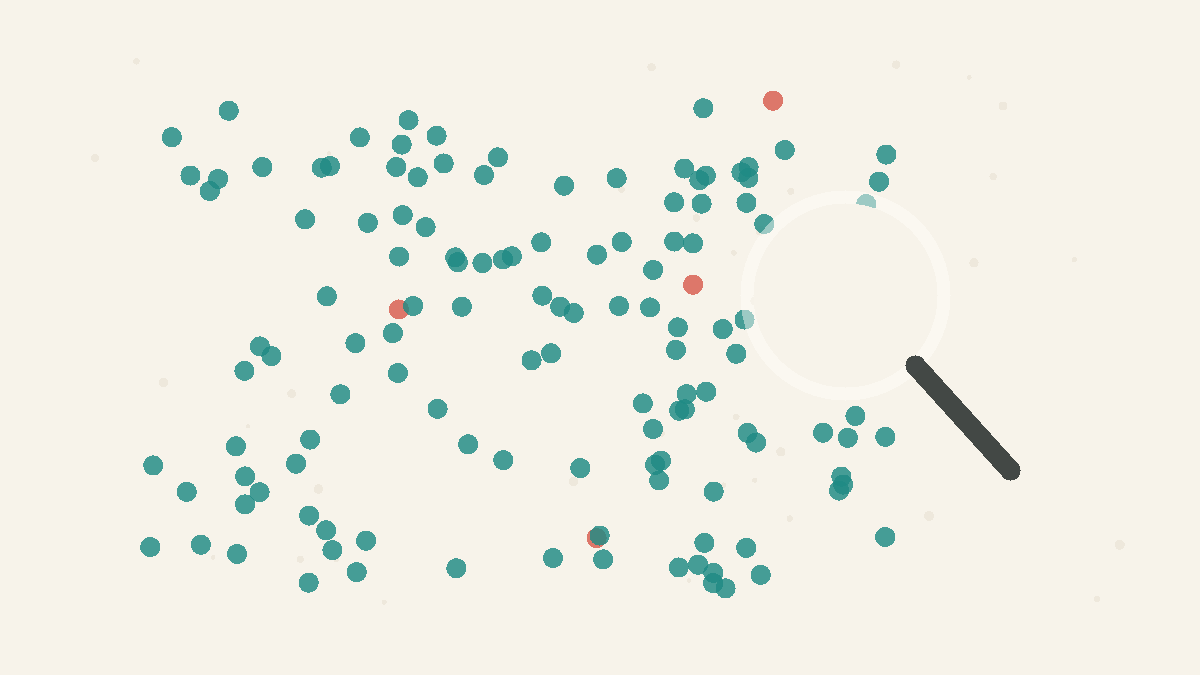
3 in 100
before new evidence
A false negative is one of the 3 the test lets slip
The 3 highlighted people truly have the condition. Each one the test wrongly clears is a false negative — the miss rate is 1 minus sensitivity, so a 99%-sensitive test misses about 1 true case in 100.
Formula
false-negative rate = 1 - sensitivity
Example
If 10 of 10,000 screened people truly have a condition and the test is 99% sensitive, it usually catches all 10 — but at 80% , about 2 of the 10 walk away wrongly reassured.
How It Works
A false negative is the miss: the person has the condition, the test says they do not. Misses come only from the group that truly has the condition, at a rate of 1 minus — a 99%-sensitive test misses 1 true case in 100. False negatives and false positives trade off: lower the alarm threshold to miss fewer cases and you flag more healthy people; raise it and the reverse. Which error costs more depends on the stakes — missing a cancer is not priced like a false fire alarm. In hypothesis testing the same miss — failing to detect a real effect — is a type II error, the concern behind statistical power.
Concepts
Base Rates
The background frequency of something before you consider new evidence. A strong signal can still produce many false alarms when the thing being tested for is rare, because there are many more non-cases than cases. Good reasoning combines the new signal with the base rate.
Statistical Power
Statistical power is the chance that a study will detect an effect of a given size if that effect is real. Low-powered studies can miss real effects, while very large studies can detect effects too small to matter in practice.
Related Facts
Risk & Decisions
4 min · medium
A good test can still scare too many people
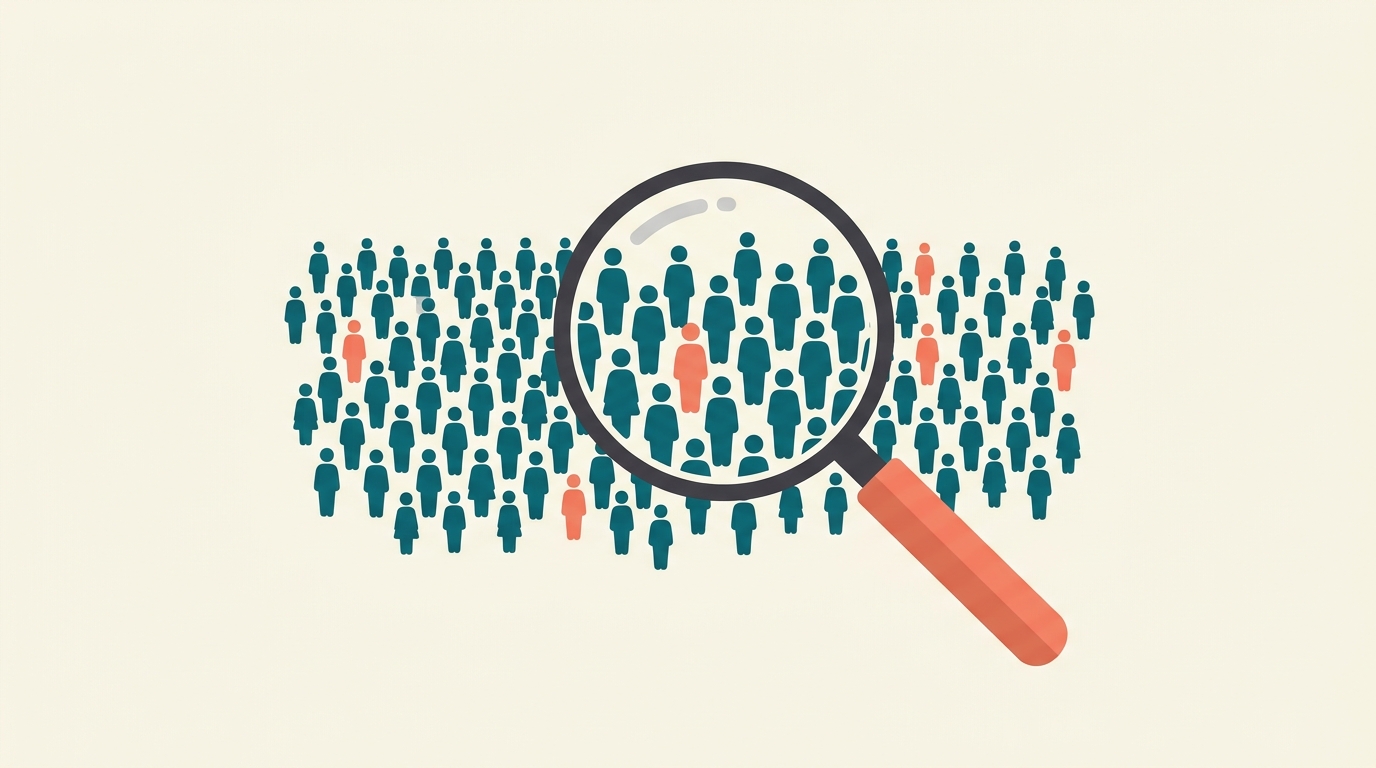
When a condition is rare, most positive test results can still be false positives.
Risk & Decisions
4 min · medium
Statistical power: a small study can miss a real effect
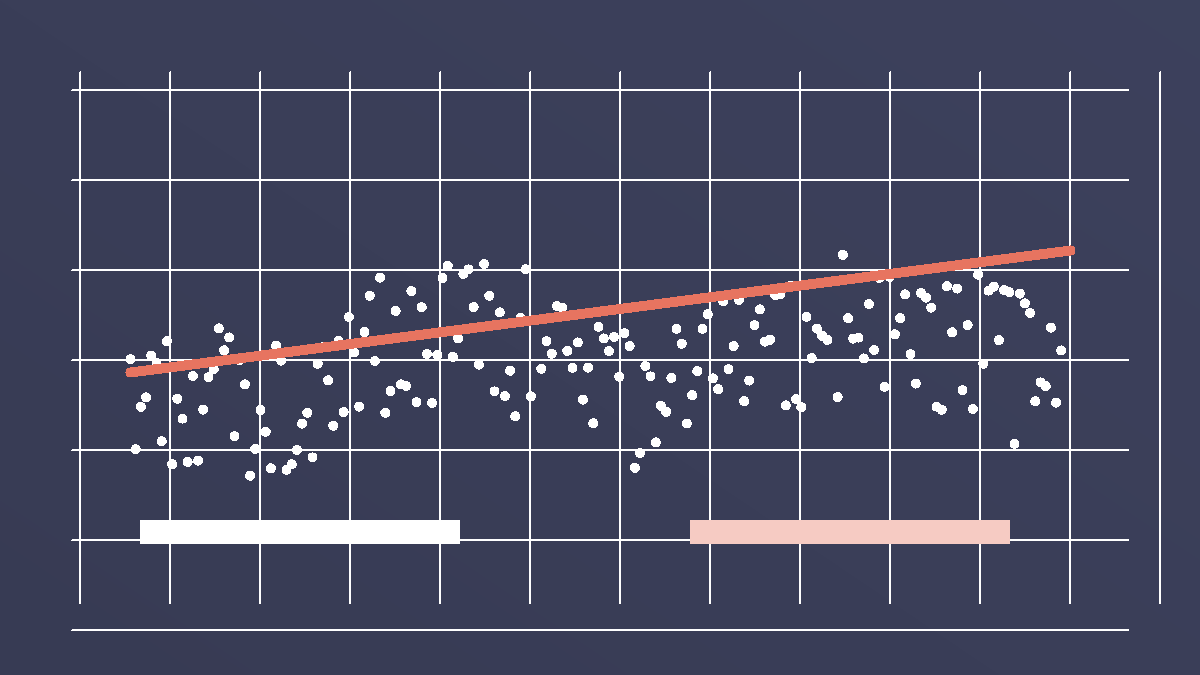
A study can report 'no clear effect' simply because it was too small and noisy to spot a real one.