Concept
Base Rates
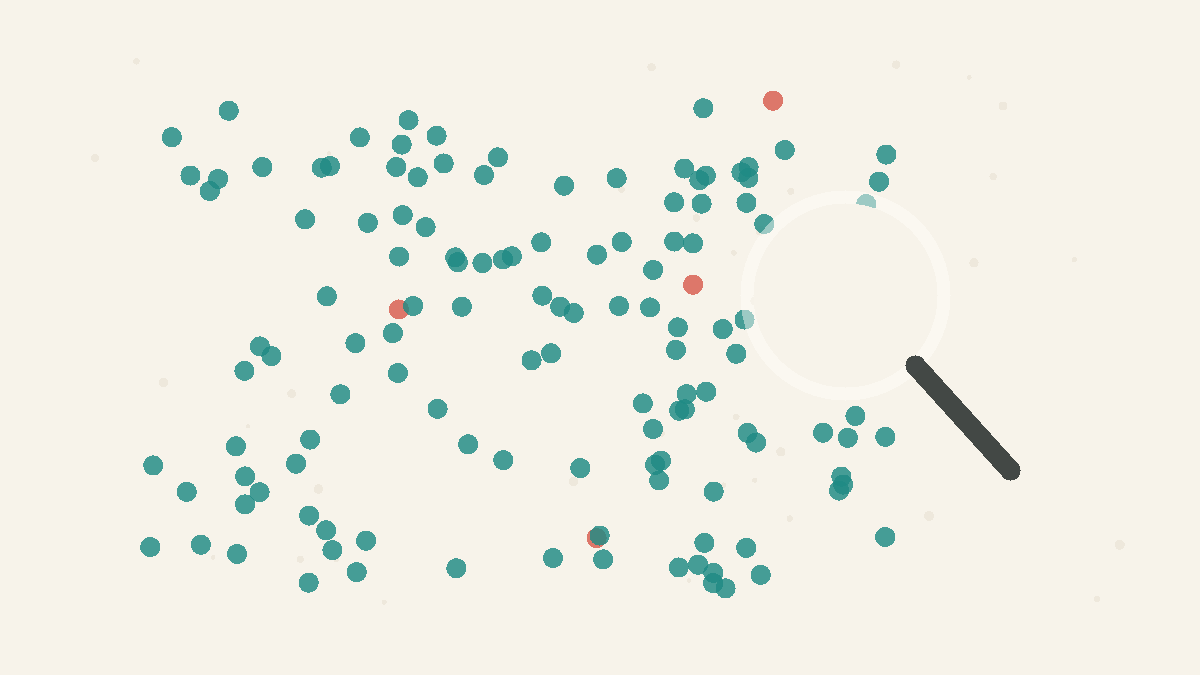
The background frequency of something before you consider new evidence. A strong signal can still produce many false alarms when the thing being tested for is rare, because there are many more non-cases than cases. Good reasoning combines the new signal with the base rate.
Related Facts
Risk & Decisions
4 min · medium

A one-in-a-million match is not a one-in-a-million chance of innocence
When a forensic trait matches 1 in a million people, a big enough population still holds many innocent matches — the match probability is not the probability of innocence.
Risk & Decisions
4 min · medium
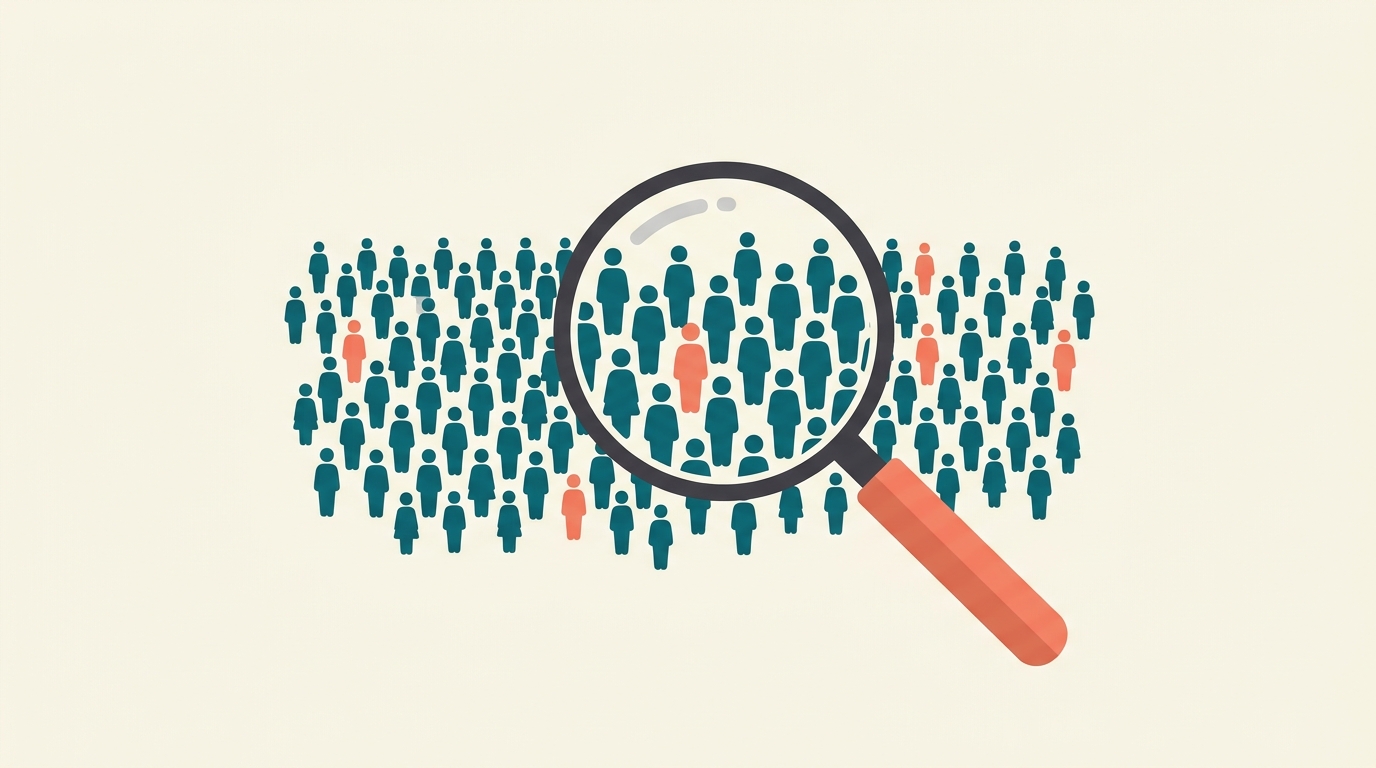
A good test can still scare too many people
When a condition is rare, most positive test results can still be false positives.
Risk & Decisions
5 min · medium

Relative risk vs absolute risk: the difference that changes decisions
Relative risk tells you how many times bigger a risk became. Absolute risk tells you how many extra people are affected.