Glossary term
Independence
Two events are independent when knowing one happened tells you nothing about whether the other did.
Visual intuition
Not independent: the drift means one value carries news about the other
Each dot pairs two measurements, and here they drift upward together — knowing one tells you where the other tends to sit. That is dependence. Independent quantities would leave this cloud shapeless, with no drift for a trend line to find.
Formula
P(A and B) = P(A) x P(B)
Example
Two dice are independent: rolling a 6 first does not change the second die's 1-in-6 , so double sixes happen 1/6 x 1/6 = 1/36 of the time.
How It Works
A coin that just landed heads five times is still 50/50 on the next flip: the flips are independent, and betting otherwise is the gambler's fallacy. Formally, independence means the of both events together is the product of their separate probabilities — knowing one happened leaves the other's chances untouched. Dependence is the opposite, and it has a visible signature: plot pairs of measurements, and any drift or pattern means one value carries news about the other. Real data breaks independence constantly — survey answers from the same household, repeated measurements of the same patient — and treating dependent data as independent makes evidence look stronger than it is.
Concepts
Independence
Independent events do not influence each other: the probability of the next outcome is the same no matter what came before. A coin, a die, and a roulette wheel have no memory of their past results.
Conditional Probability
The probability of something after new information changes what is still possible. The important move is to update the denominator: cases ruled out by the new information should no longer be counted. Many mistakes happen when people keep using the original odds after the situation has narrowed.
Lessons
Chance Has No Memory
Past results don't change the odds of an independent event.
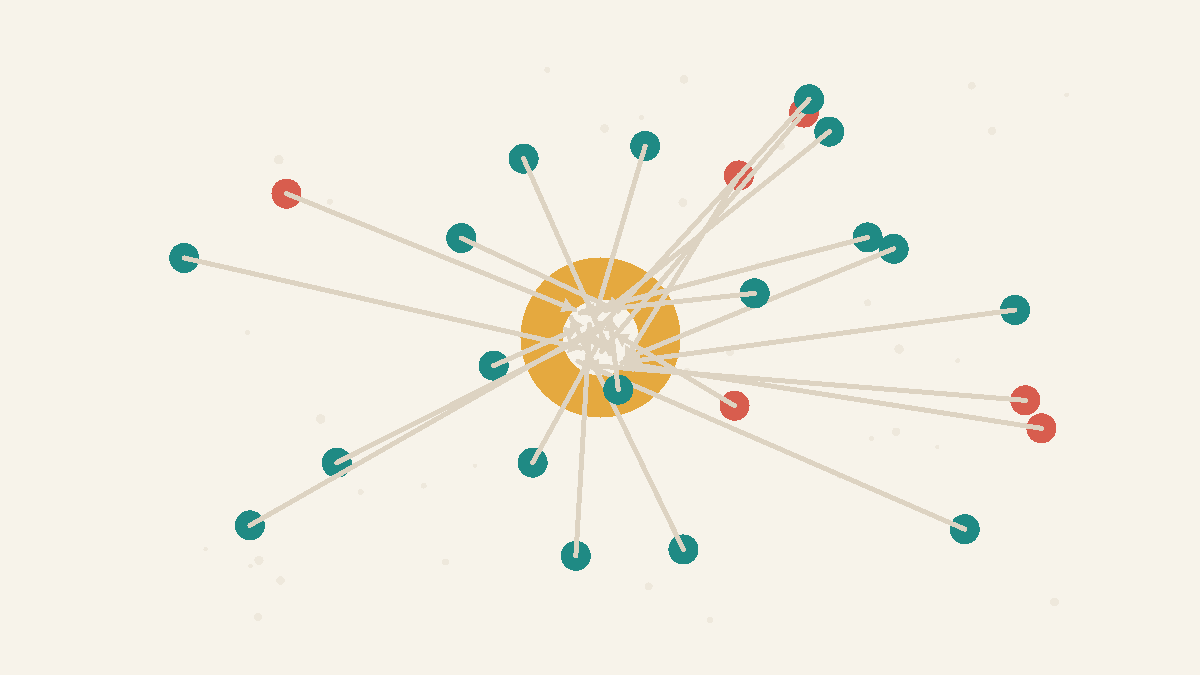
Independent Errors Cancel
Average many independent guesses and their random errors offset, leaving an estimate closer to the truth than most individuals.
Related Facts
Probability
4 min · easy
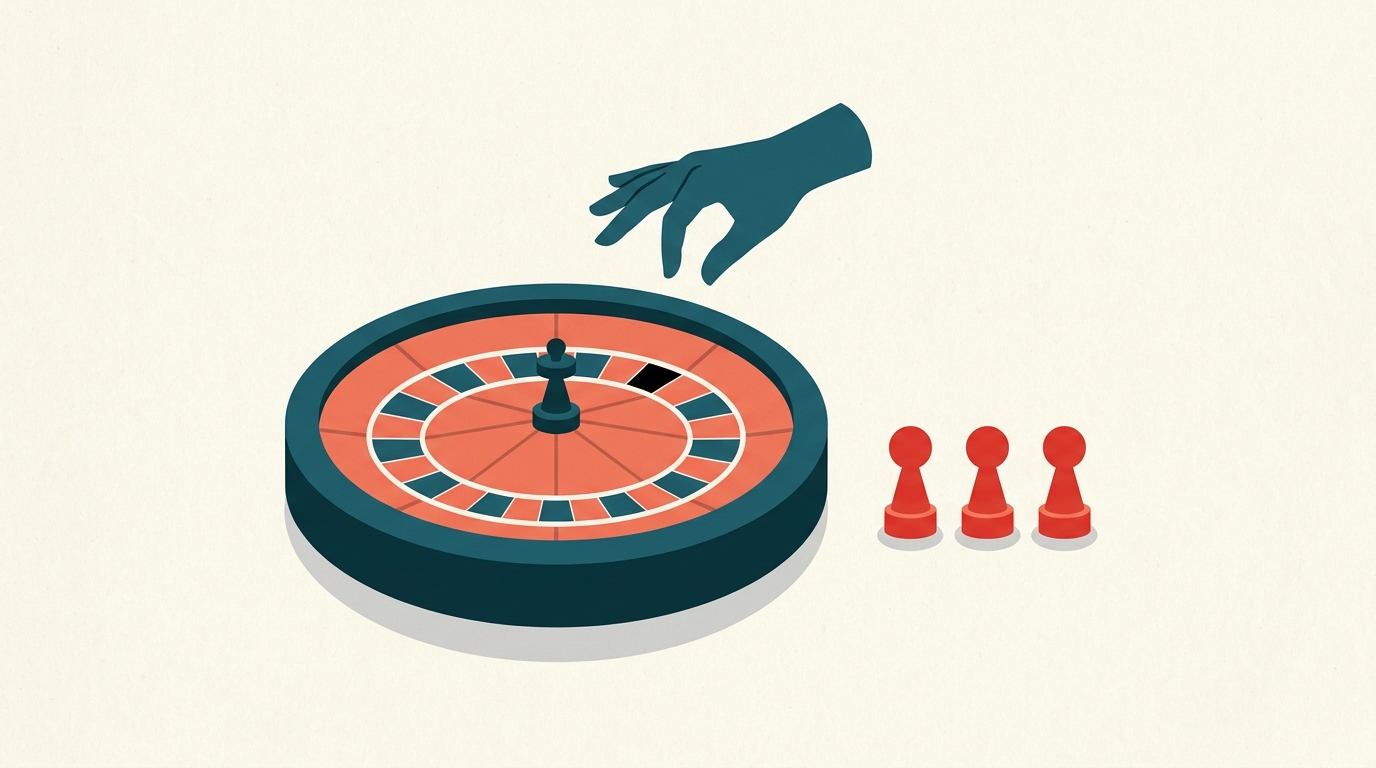
A roulette wheel has no memory
After red lands ten times in a row, black feels 'due'. The next spin is still about 48.6% red, exactly as it was on the first.
Probability
4 min · easy
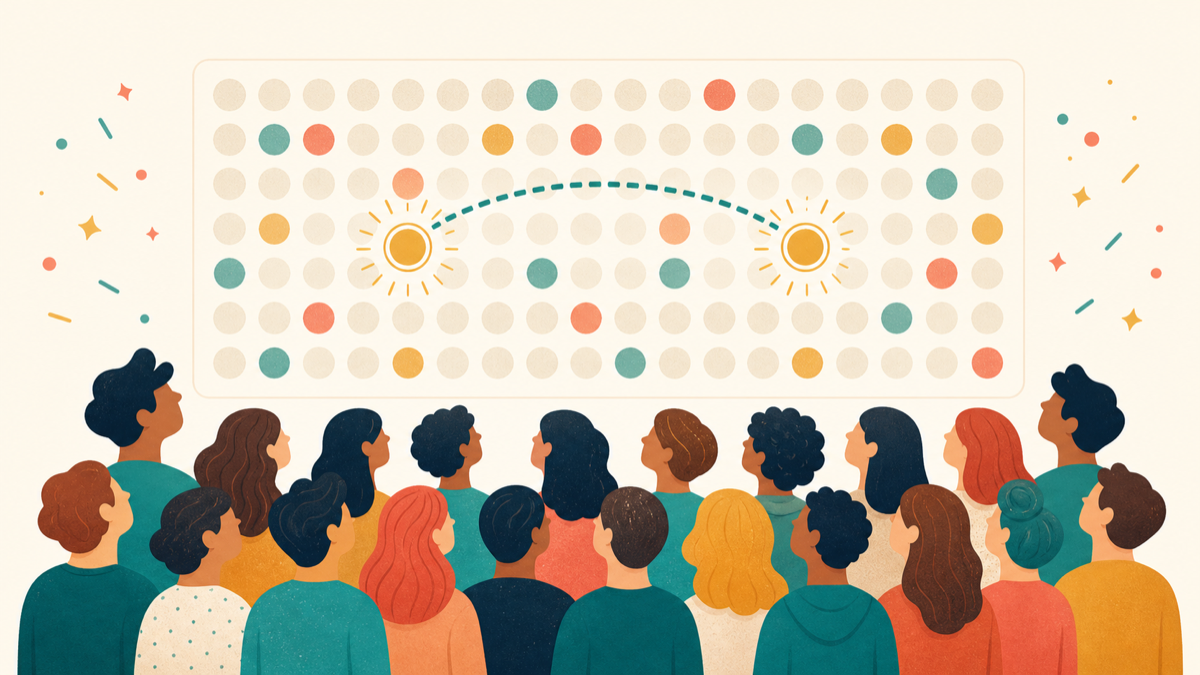
23 people are enough for a birthday match
A room with only 23 people is already more likely than not to contain two people with the same birthday.