Glossary term
Randomized Controlled Trial
A study that randomly assigns people to a treatment group or a control group, so outcome differences can be pinned on the treatment.
Visual intuition
50%
0
EV
5
50%
10
Many repeats settle around the weighted average
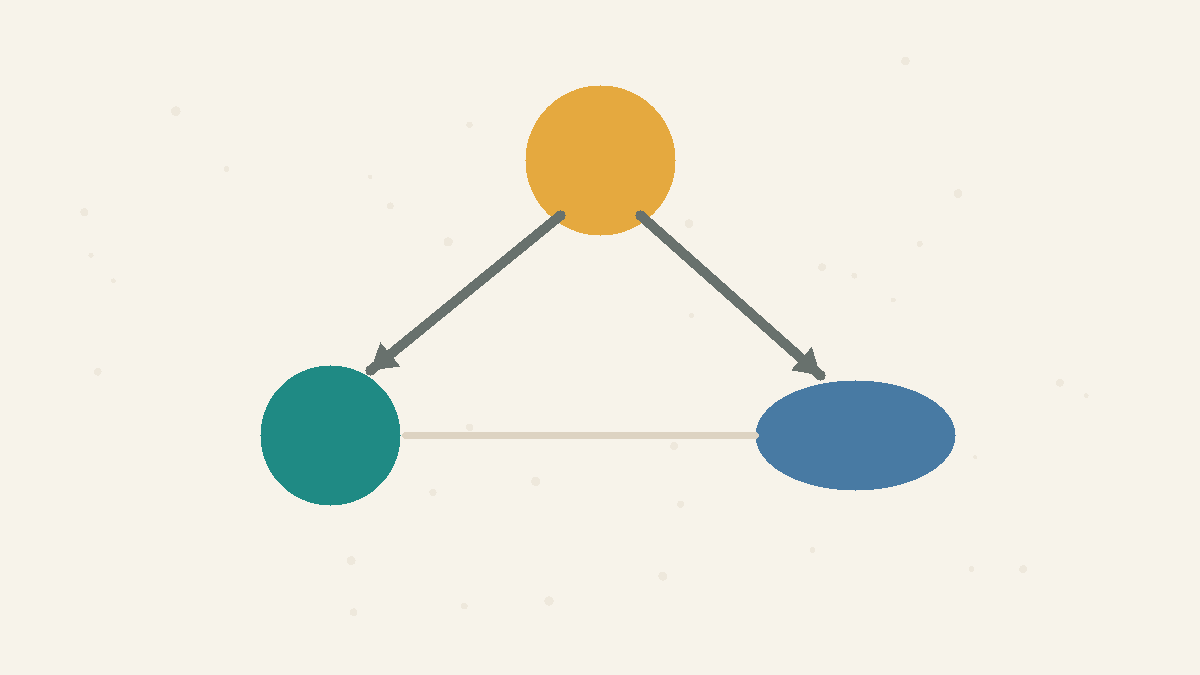
Every volunteer holds the same 50/50 ticket: chance — not doctors or patients — decides who gets the treatment, so the two groups start alike.
Example
In an illustrative trial of 2,000 volunteers, a coin flip sends about 1,000 to the vaccine and 1,000 to a placebo; if 5 vaccinated and 50 placebo participants later fall ill, the gap is credibly the vaccine's doing.
How It Works
Flip a fair coin for each volunteer: heads gets the new drug, tails gets a placebo. Randomization is the trick — it spreads age, habits, health, and every you never thought of evenly across both groups, so the groups start statistically alike. When outcomes later differ, the treatment is the prime suspect rather than some hidden third factor. That is why RCTs sit at the top of the evidence pyramid for 'does this work?' questions.