Concept
Law of Large Numbers
As a sample grows, its average gets closer to the true average and random swings shrink, roughly in proportion to 1 over the square root of the sample size. Small samples can land far from the truth purely by chance, which is why a handful of observations is so easy to misread.
Lessons
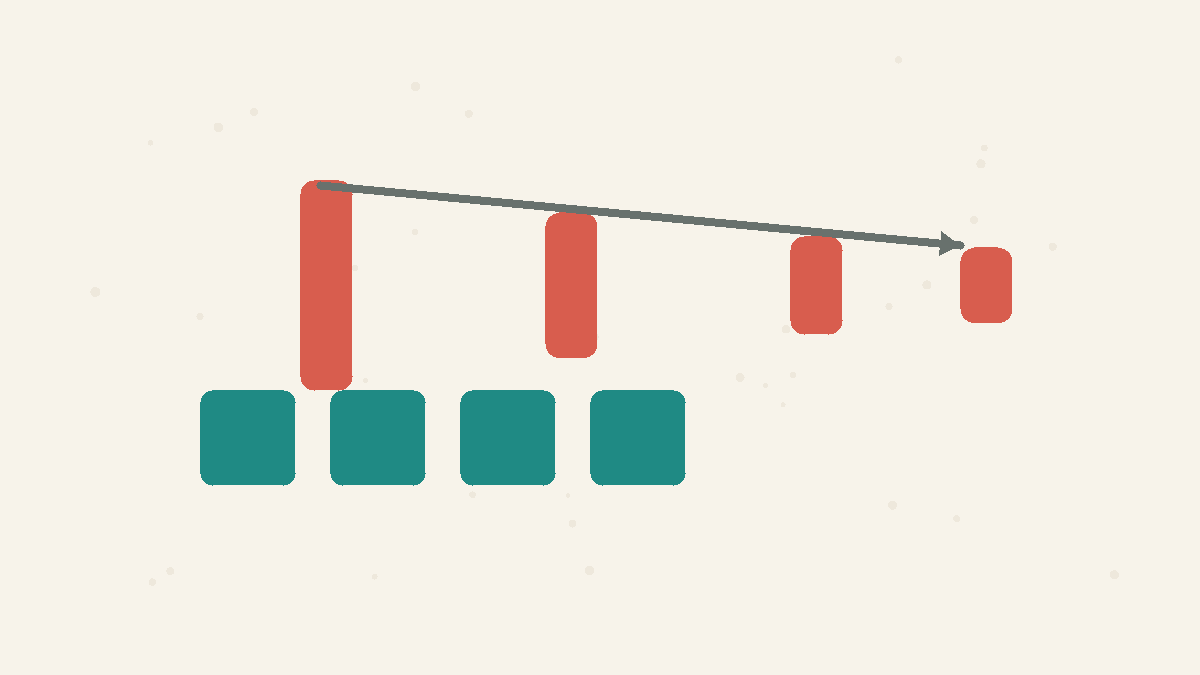
Precision Has Square-Root Returns
More data helps, but random error shrinks slowly: to halve the noise in an average, you usually need four times as many observations.
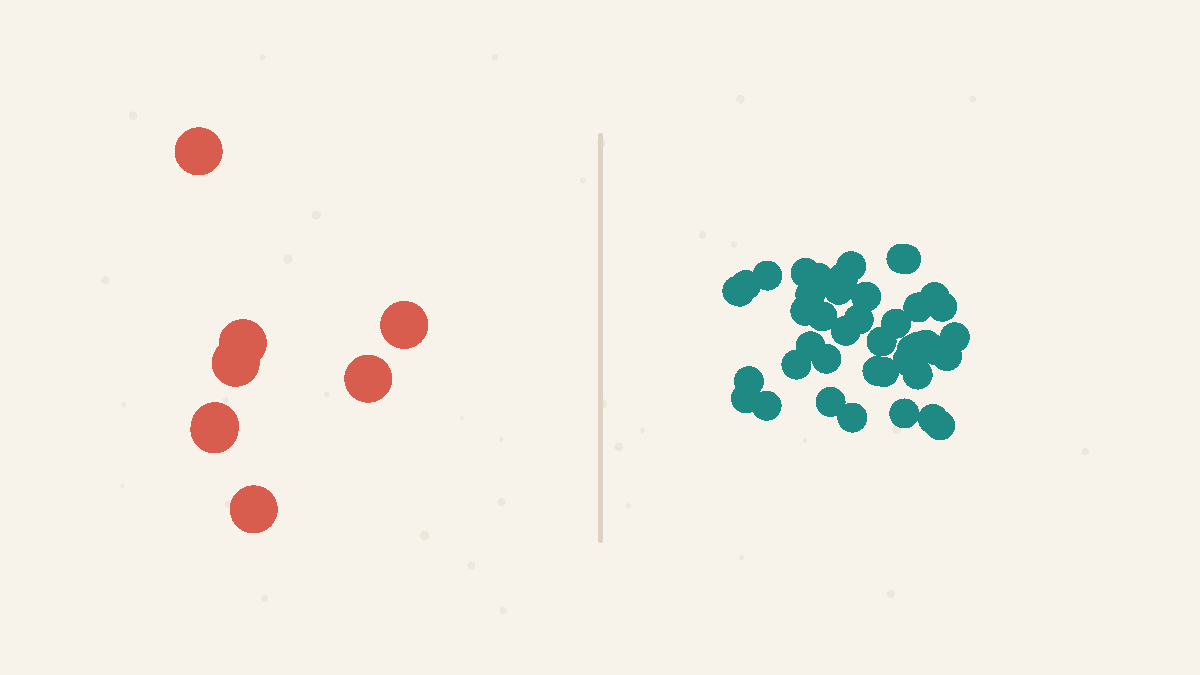
Small Samples Are Noisy
A small sample can land far from the truth by luck alone, while a larger one averages that luck away. This lesson shows how spread shrinks with the square root of the sample size and why the smallest groups dominate the extremes of any ranking.
Related Facts
Data Tricks
4 min · medium

The smallest towns top both the best and worst lists
Rank places by any rate — cancer, test scores, crime — and the extremes are dominated by the smallest places, because small samples swing far from the true rate by luck alone.
Data Tricks
4 min · easy
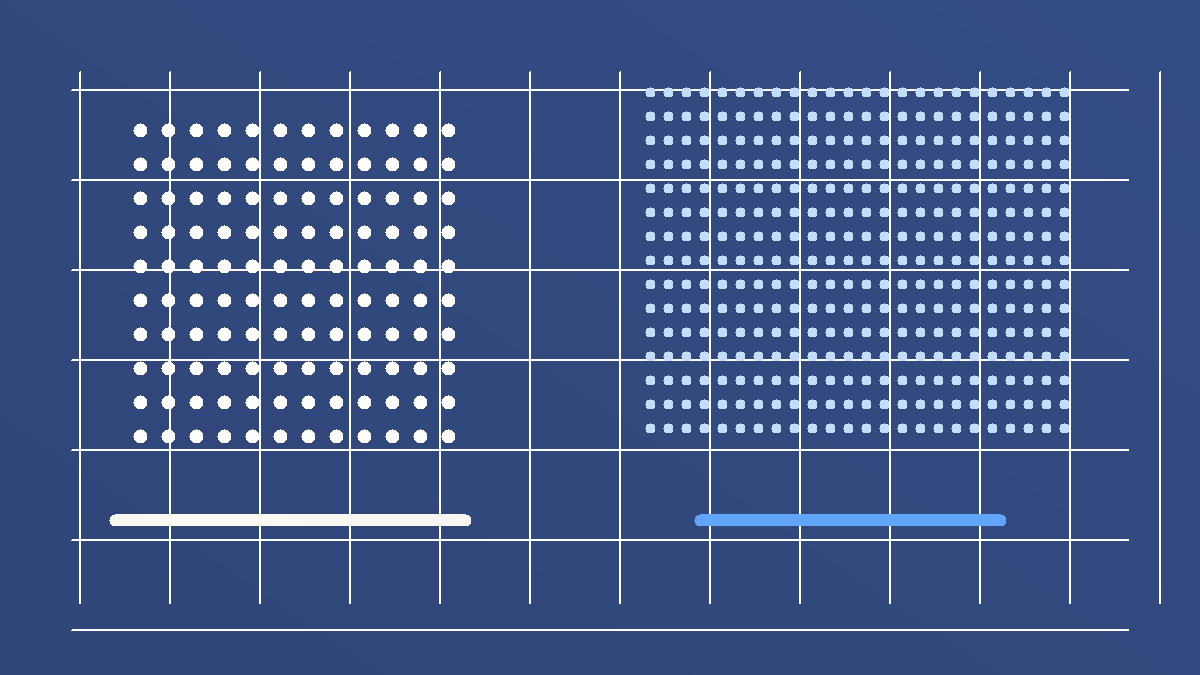
Twice as much data does not make estimates twice as precise
For many averages, cutting random error in half takes about four times as many observations. Precision has square-root returns.