Glossary term
Prior
The probability you assign to something before a new piece of evidence arrives.
Visual intuition
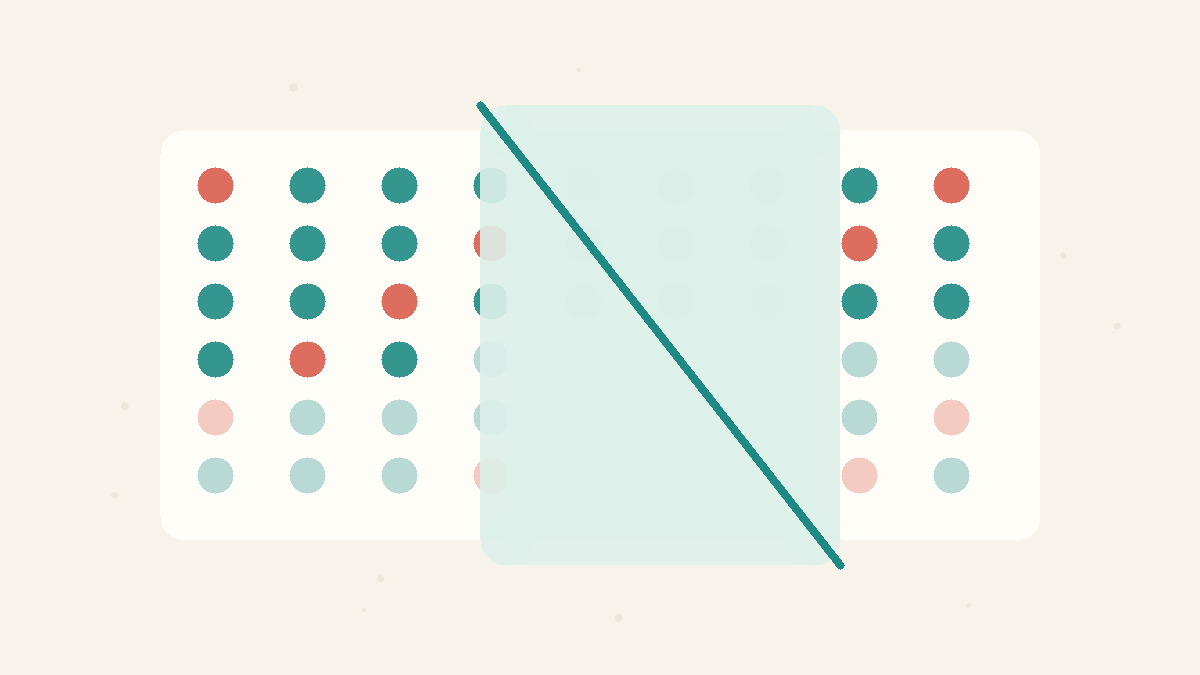
3 in 100
before new evidence
The prior: 3 in 100, before any evidence
A prior made visible: 3 of these 100 have the thing before new evidence arrives. Whatever a test or clue says next starts its work from these counts.
Example
Before a 99%-sensitive, 99%-specific test, a random person's of a 1-in-1,000 condition is 0.1% — that prior is why even a positive result lifts it only to about 9%.
How It Works
Before a test result, a search hit, or a witness statement arrives, the question already has starting : 3 in 100 of the people in this room, 1 in 1,000 in the screened . That starting number is the prior. Evidence does not replace it — it updates it, and the result depends on both. Striking evidence pointing at something very rare can still leave it unlikely, which is why most positive tests for rare conditions are false alarms, and why skipping the prior is the base-rate fallacy by another name. Where the prior comes from — past data, a , an honest estimate — matters, and stating it out loud is half the discipline of .
Concepts
Base Rates
The background frequency of something before you consider new evidence. A strong signal can still produce many false alarms when the thing being tested for is rare, because there are many more non-cases than cases. Good reasoning combines the new signal with the base rate.
Conditional Probability
The probability of something after new information changes what is still possible. The important move is to update the denominator: cases ruled out by the new information should no longer be counted. Many mistakes happen when people keep using the original odds after the situation has narrowed.
Related Facts
Risk & Decisions
4 min · medium
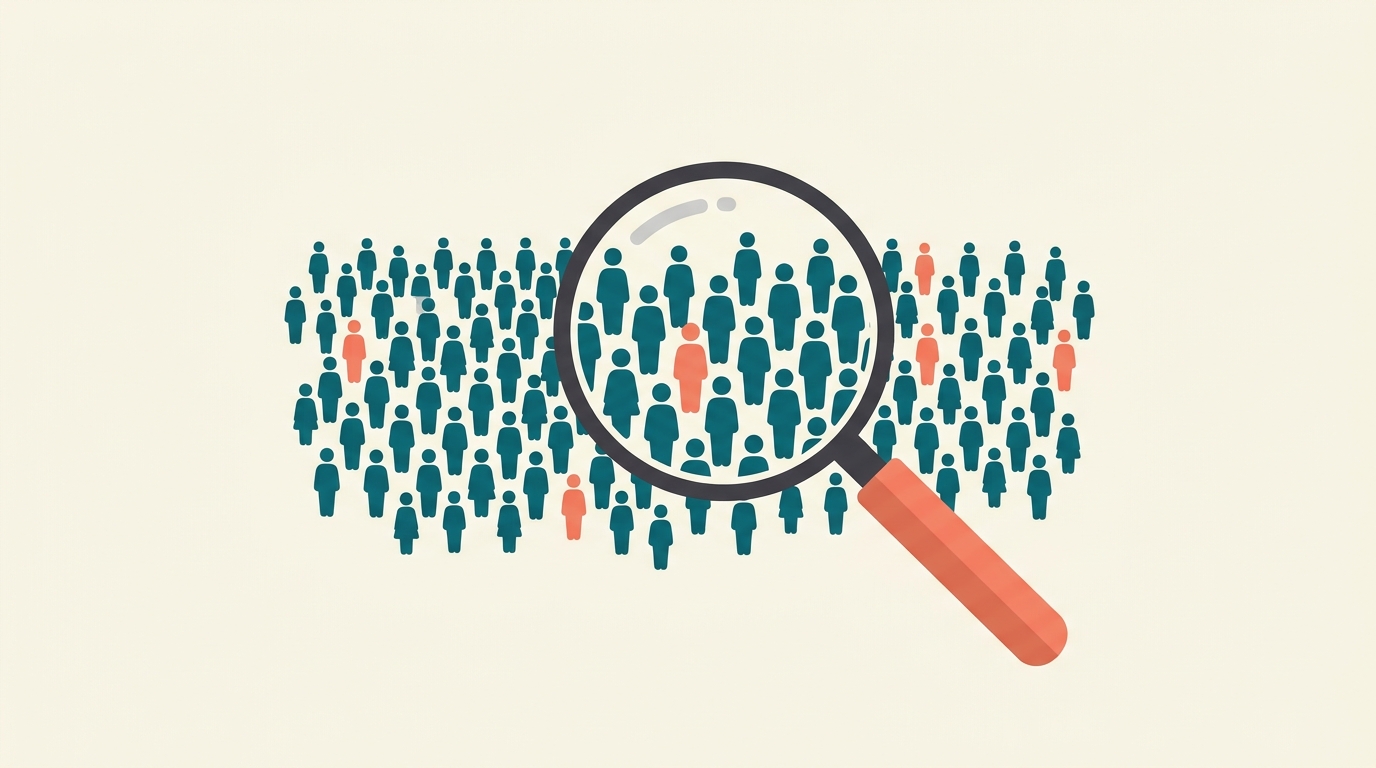
A good test can still scare too many people
When a condition is rare, most positive test results can still be false positives.
Risk & Decisions
4 min · medium
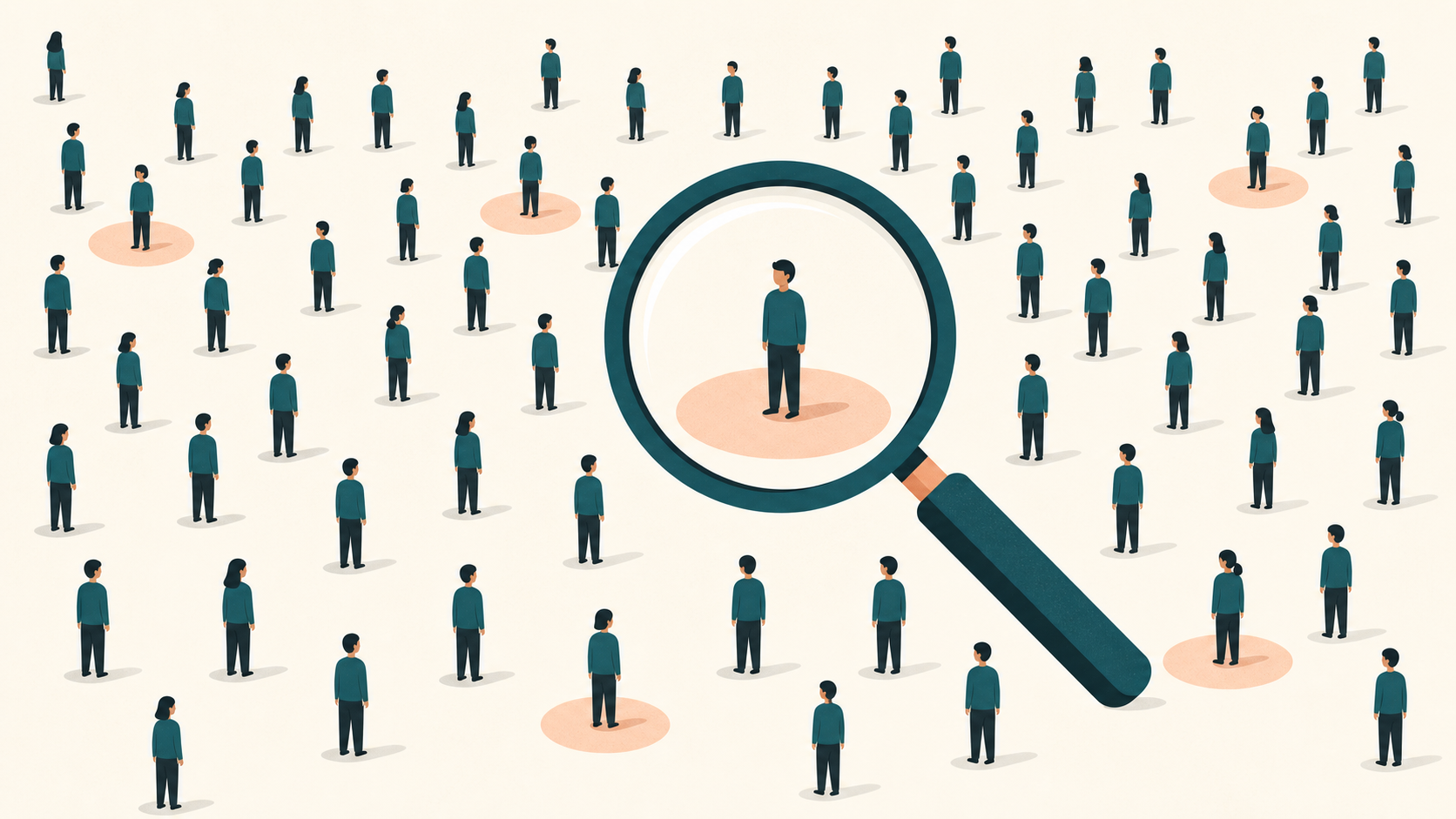
A one-in-a-million match is not a one-in-a-million chance of innocence
When a forensic trait matches 1 in a million people, a big enough population still holds many innocent matches — the match probability is not the probability of innocence.