Glossary term
Probability
A number between 0 and 1 that measures how likely something is to happen — 0 means impossible, 1 means certain.
Visual intuition
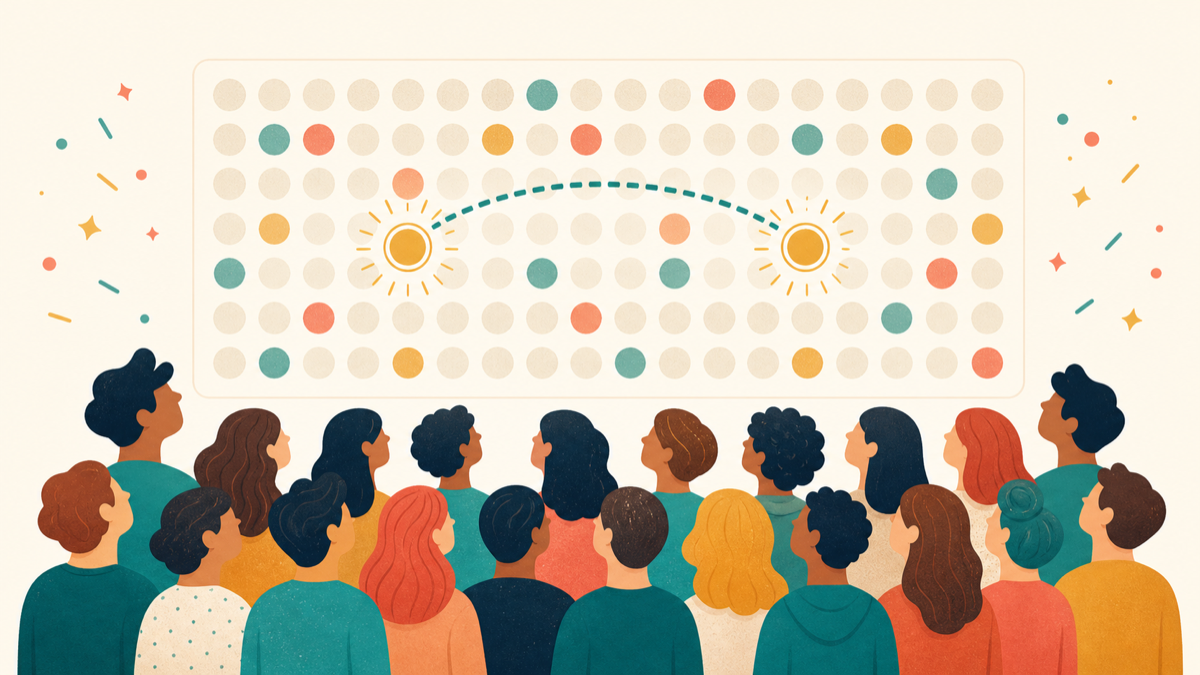
3 in 100
before new evidence
Probability: 3 of the 100 equally likely picks
One crowd, one random pick: 3 of these 100 people are highlighted, so the probability of picking a highlighted one is 3 in 100 — a 0.03 chance, before any other evidence arrives.
Formula
P(event) = ways it can happen / all equally likely ways
Example
A standard die has 6 equally likely faces, and 2 of them (5 and 6) are greater than 4 — so the probability of rolling higher than 4 is 2/6, about 0.33.
How It Works
Pick one person at random from a crowd of 100 where 3 are highlighted: the probability of grabbing a highlighted one is 3/100, or 0.03. When outcomes are equally likely, probability is just counting — the ways it can happen divided by all the ways there are. When they are not, it is the long-run frequency: a fair coin lands heads with probability 0.5 because over thousands of flips, the share of heads settles near half. Either way it lives between 0 and 1, and all the possibilities together always add up to 1.
Concepts
Conditional Probability
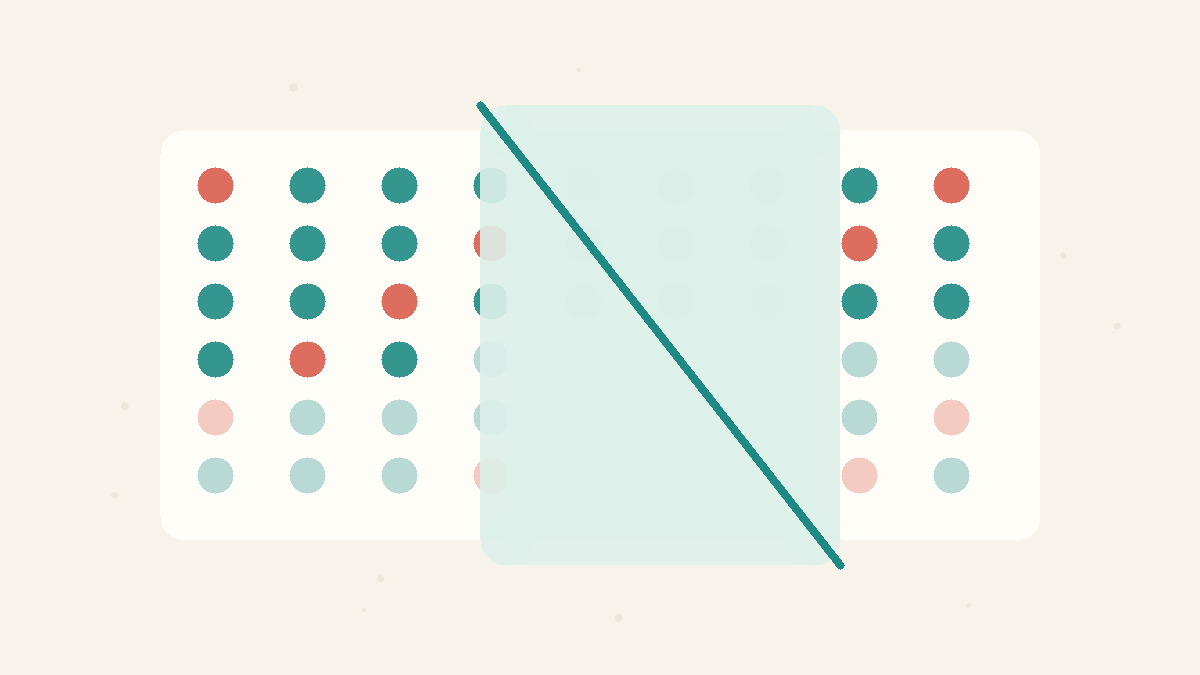
The probability of something after new information changes what is still possible. The important move is to update the denominator: cases ruled out by the new information should no longer be counted. Many mistakes happen when people keep using the original odds after the situation has narrowed.
Expected Value
The long-run average outcome: each result weighted by how likely it is. It tells you whether a bet is favourable on average, but it ignores how badly a single rare outcome would hurt — which is why people rationally pay to avoid losses they could not absorb.
Related Facts
Paradoxes
4 min · easy
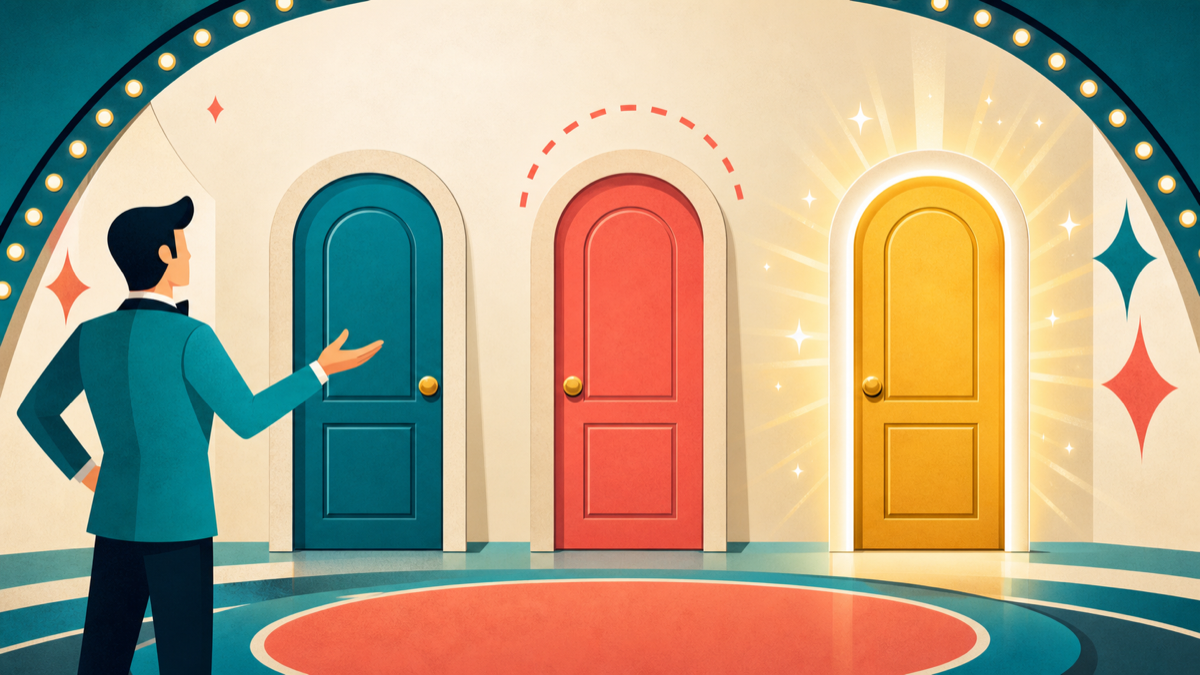
The door you did not pick is probably better
In Monty Hall, switching doors wins about twice as often as staying.
Probability
4 min · easy
23 people are enough for a birthday match
A room with only 23 people is already more likely than not to contain two people with the same birthday.
Probability
4 min · easy
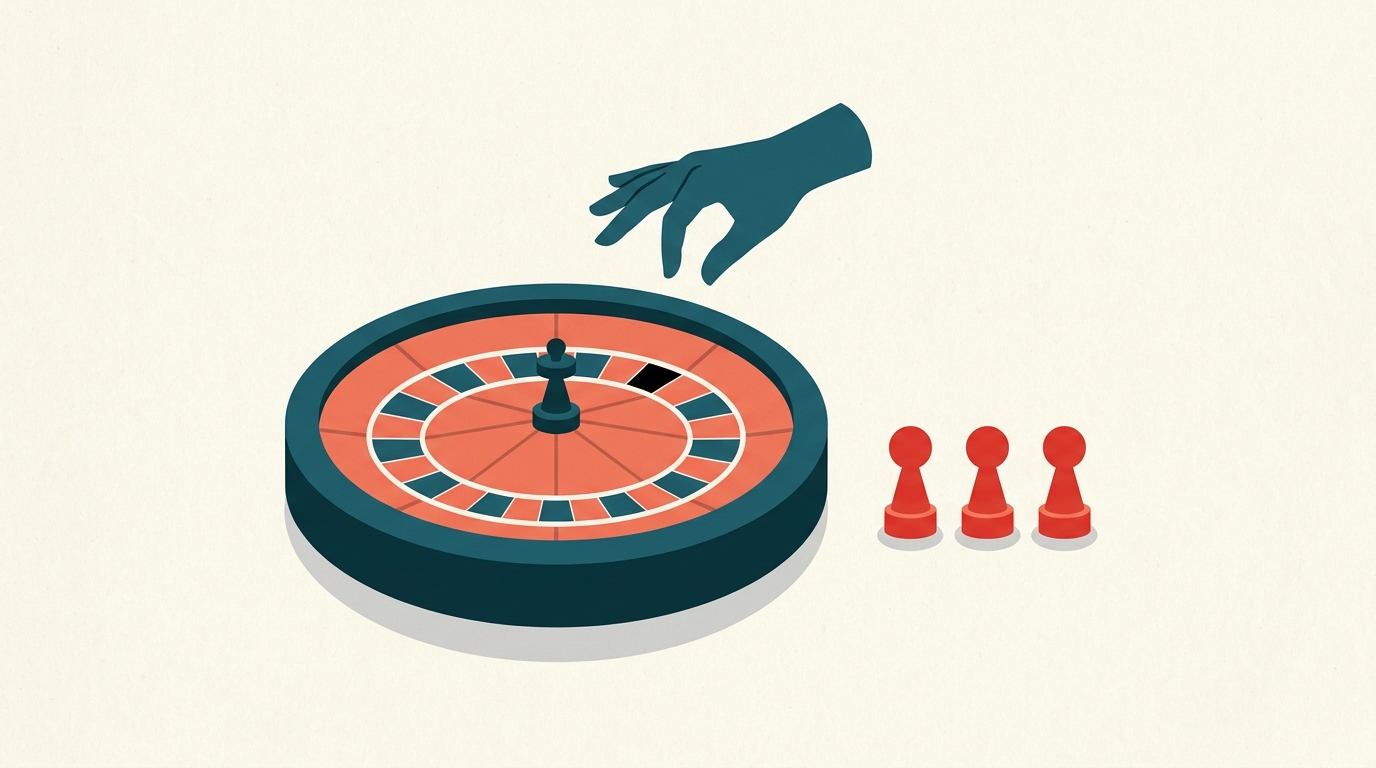
A roulette wheel has no memory
After red lands ten times in a row, black feels 'due'. The next spin is still about 48.6% red, exactly as it was on the first.