Glossary term
Bayes' Theorem
The rule for updating a probability when new evidence arrives, weighing how well the evidence fits against how common the thing was to begin with.
Visual intuition
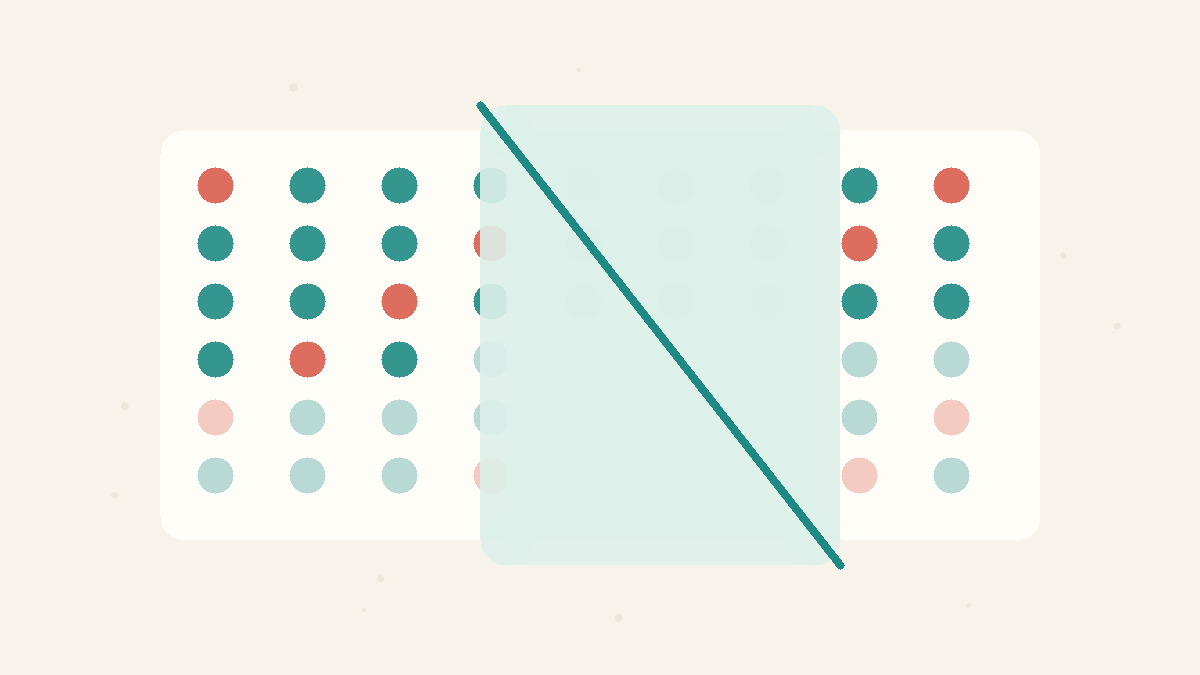
3 in 100
before new evidence
Bayes: start from the crowd before the evidence
Bayes' theorem is bookkeeping on this crowd: 3 in 100 have the thing before any evidence. A test reweighs both groups — the 3 and the 97 — and the updated probability is simply the true flags' share of all flags.
Formula
P(real, given positive) = true positives / (true positives + false positives)
Example
A 1-in-1,000 condition, a 99%-sensitive and 99%-specific test, 10,000 people tested: about 10 true positives and 100 false positives, so a positive result means about a 9% of truly having it — not 99%.
How It Works
Bayes' theorem answers one question: given that the evidence happened, how likely is the thing it points at? The counting version needs no algebra. Start from the — of 10,000 people, how many have the condition (say 10, at 1 in 1,000). Apply the evidence to each group: a 99%-sensitive, 99%-specific test flags about 10 of the 10 true cases and about 100 of the 9,990 healthy people. Then read off the answer: of the roughly 110 people holding a positive result, about 10 truly have it — around 9%. The theorem is exactly that bookkeeping, and its moral is that an update can never outrun the base rate it started from.
Concepts
Conditional Probability
The probability of something after new information changes what is still possible. The important move is to update the denominator: cases ruled out by the new information should no longer be counted. Many mistakes happen when people keep using the original odds after the situation has narrowed.
Base Rates
The background frequency of something before you consider new evidence. A strong signal can still produce many false alarms when the thing being tested for is rare, because there are many more non-cases than cases. Good reasoning combines the new signal with the base rate.
Related Facts
Risk & Decisions
4 min · medium
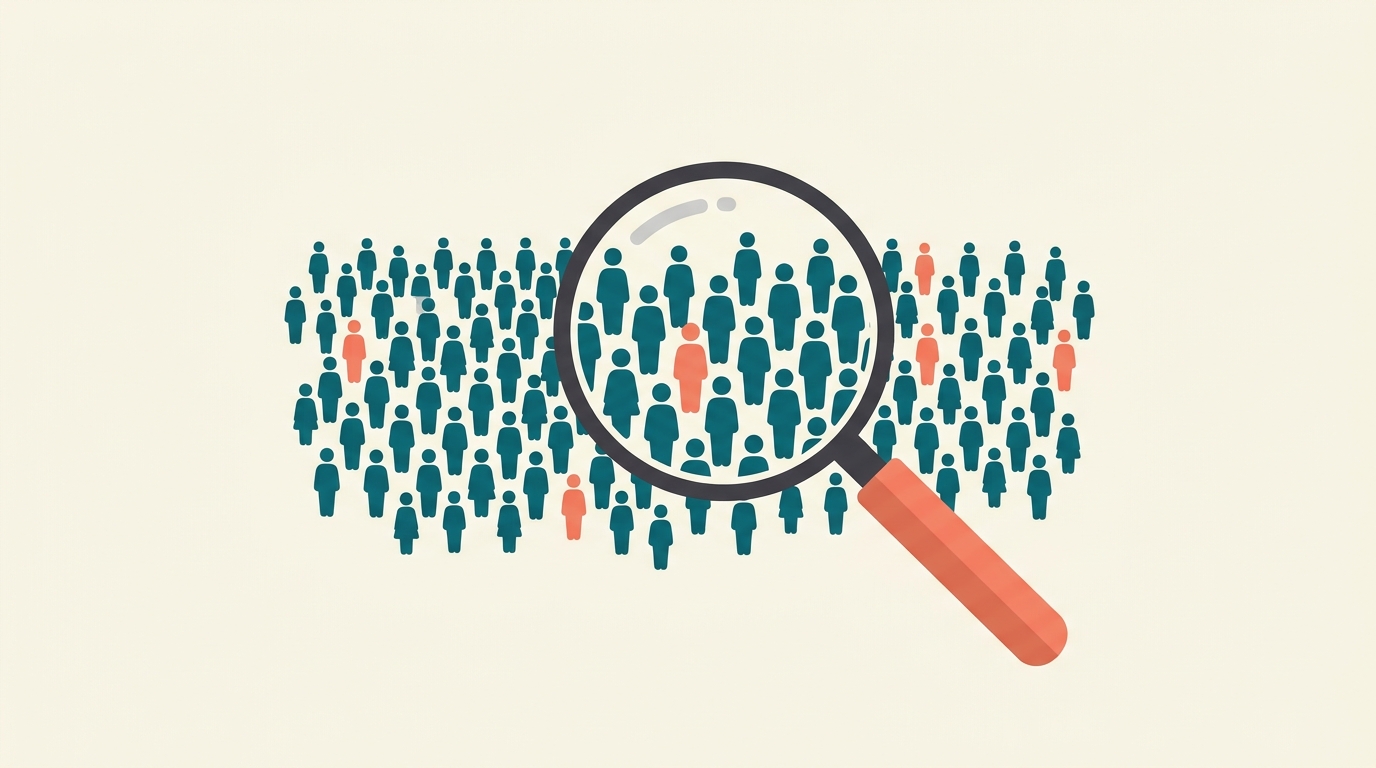
A good test can still scare too many people
When a condition is rare, most positive test results can still be false positives.
Paradoxes
4 min · easy

The door you did not pick is probably better
In Monty Hall, switching doors wins about twice as often as staying.
Risk & Decisions
4 min · medium

A one-in-a-million match is not a one-in-a-million chance of innocence
When a forensic trait matches 1 in a million people, a big enough population still holds many innocent matches — the match probability is not the probability of innocence.