Glossary term
Law of Large Numbers
The rule that averages of more and more independent observations settle ever closer to the true underlying value.
Visual intuition
n=4
n=16
n=64
More data pulls the average onto the truth
Each dot is the average of one sample; the line marks the true value. At n=4 the averages land all over; by n=64 they hug the line — the law of large numbers at work, with square-root-slow progress.
Example
A European roulette wheel gives the house a 2.7% edge. On one spin the casino often loses; averaged over a million spins, its take per spin lands almost exactly on 2.7% of stakes.
How It Works
Flip a fair coin 10 times and heads might easily be 70%; flip it 10,000 times and the share will sit very near 50%. The law of large numbers is that pull: as independent observations pile up, their homes in on the true value. Casinos and insurers run on it — any single bet is a gamble, a million bets are a near-certainty. Two fine points. The settling is slow: quadruple the data to halve the wobble. And it works by dilution, not correction — the coin does not owe tails after a run of heads; early imbalances just get swamped. Reading it as 'results must even out soon' is the law-of-averages misreading, better known as the gambler's fallacy.
Concepts
Law of Large Numbers
As a sample grows, its average gets closer to the true average and random swings shrink, roughly in proportion to 1 over the square root of the sample size. Small samples can land far from the truth purely by chance, which is why a handful of observations is so easy to misread.
Expected Value
The long-run average outcome: each result weighted by how likely it is. It tells you whether a bet is favourable on average, but it ignores how badly a single rare outcome would hurt — which is why people rationally pay to avoid losses they could not absorb.
Lessons
Chance Has No Memory
Past results don't change the odds of an independent event.
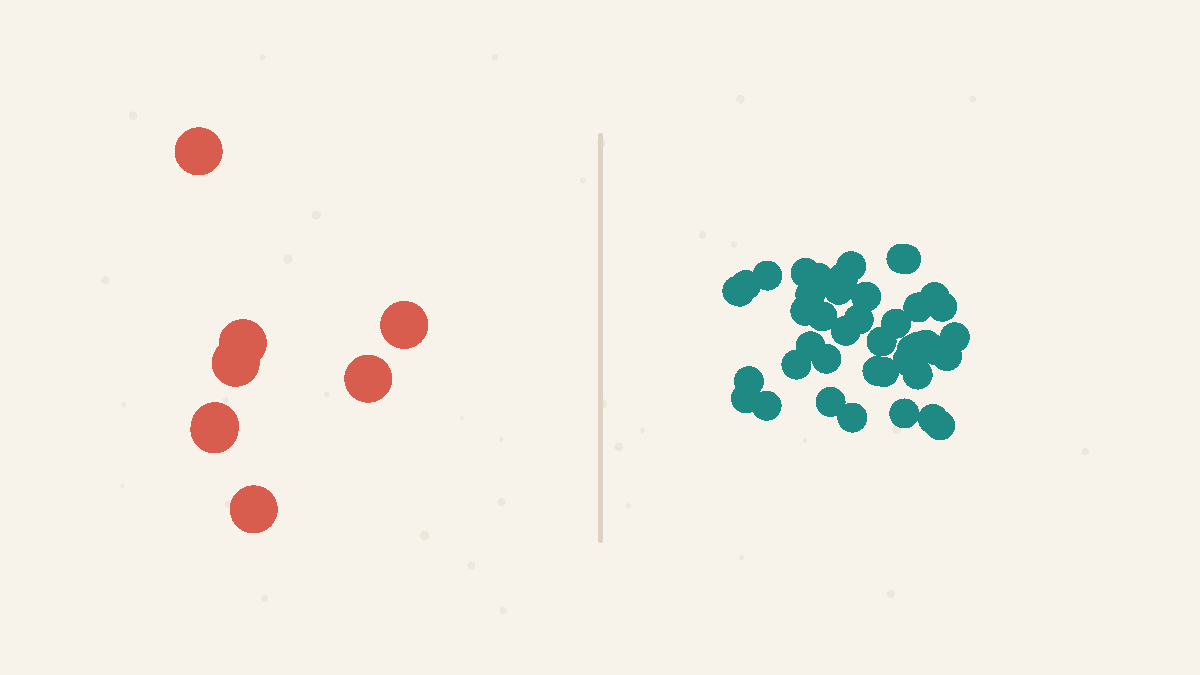
Small Samples Are Noisy
A small sample can land far from the truth by luck alone, while a larger one averages that luck away. This lesson shows how spread shrinks with the square root of the sample size and why the smallest groups dominate the extremes of any ranking.
Related Facts
Probability
4 min · easy

A roulette wheel has no memory
After red lands ten times in a row, black feels 'due'. The next spin is still about 48.6% red, exactly as it was on the first.
Data Tricks
4 min · medium

The smallest towns top both the best and worst lists
Rank places by any rate — cancer, test scores, crime — and the extremes are dominated by the smallest places, because small samples swing far from the true rate by luck alone.
Psychology of Numbers
4 min · easy
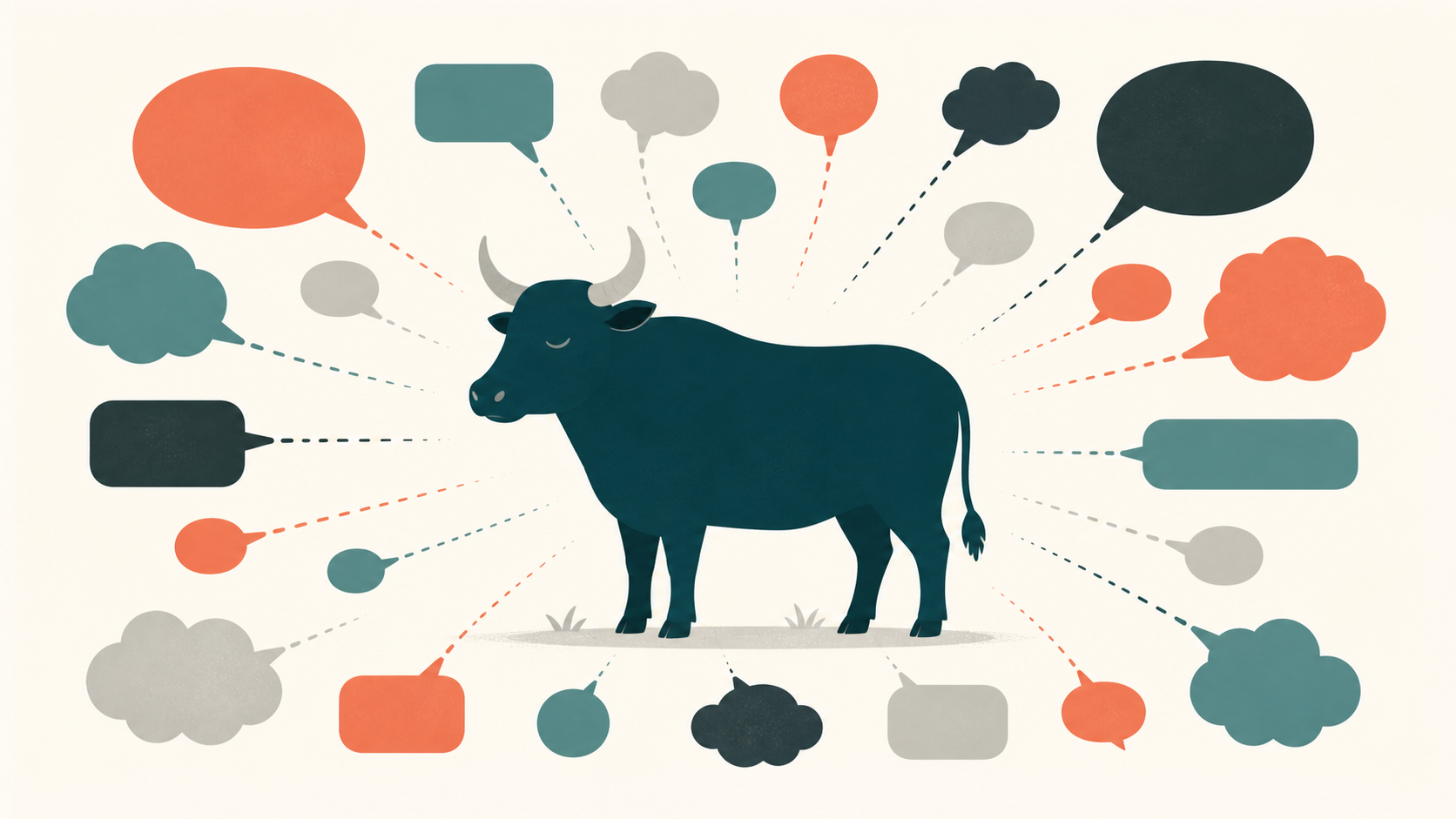
A fairground crowd guessed an ox's weight almost perfectly
At a 1906 country fair, the median of hundreds of independent guesses of an ox's weight came within about 1% of the truth — beating almost every individual guesser.