Glossary term
Sample Size
The number of observations in a study or sample — the n behind every estimate.
Visual intuition
n=4
n=16
n=64
Bigger samples make the estimate wobble less
Same pot, bigger spoonfuls: as n grows from 4 to 64, the sample estimates hug the truth tighter.
Example
A fair-coin experiment with n = 10 flips can easily show 70% heads; with n = 1,000 flips, the share of heads usually stays within a couple of points of 50%.
How It Works
Ask 10 people and one grump swings your ; ask 1,000 and no single voice matters much. size buys stability, but with square-root returns: quadrupling n only halves the wobble, which is why polls of 1,000 and 4,000 people differ less than you would expect. And size only fixes noise, not — a million badly chosen respondents still miss the truth.
Concepts
Law of Large Numbers
As a sample grows, its average gets closer to the true average and random swings shrink, roughly in proportion to 1 over the square root of the sample size. Small samples can land far from the truth purely by chance, which is why a handful of observations is so easy to misread.
Standard Error
Standard error is the typical sampling wobble of an estimate such as a mean. For independent observations, the standard error of a mean shrinks with the square root of the sample size, so cutting the error in half usually takes four times as much data.
Lessons
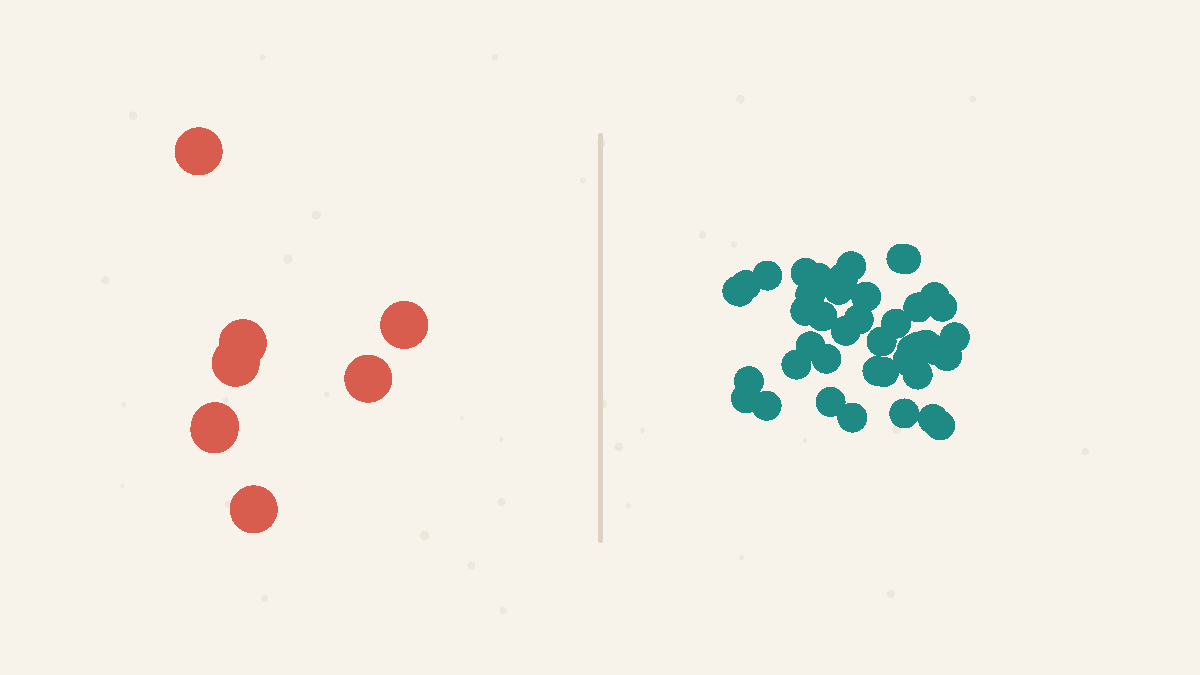
Small Samples Are Noisy
A small sample can land far from the truth by luck alone, while a larger one averages that luck away. This lesson shows how spread shrinks with the square root of the sample size and why the smallest groups dominate the extremes of any ranking.
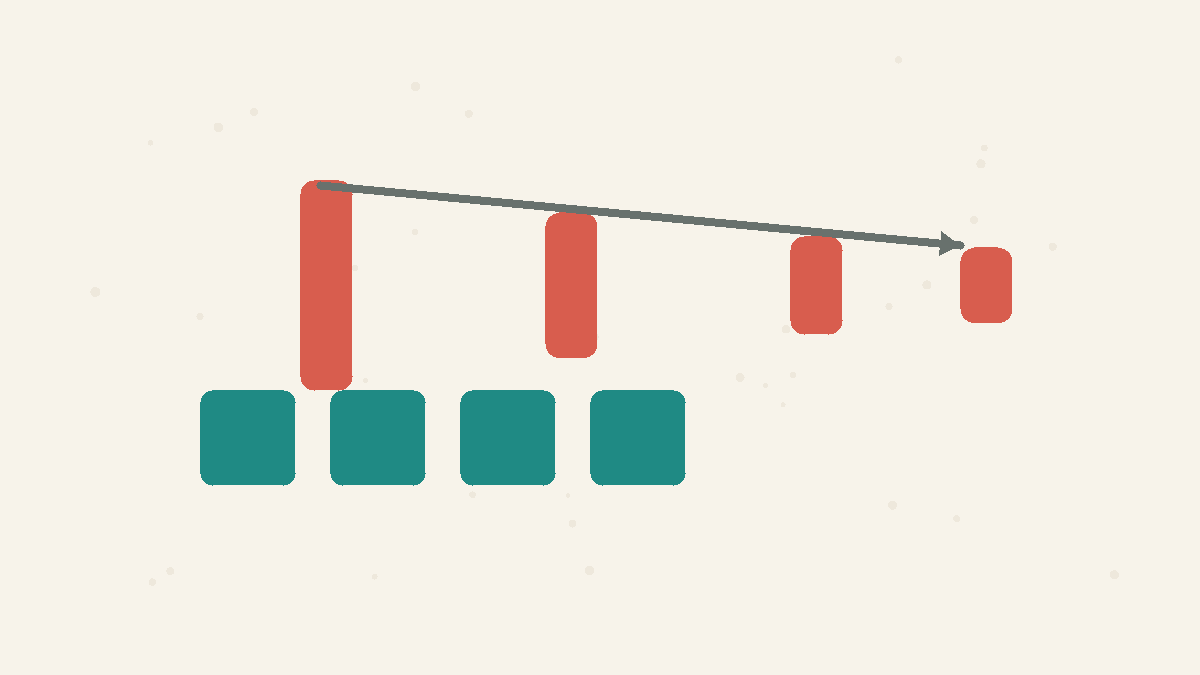
Precision Has Square-Root Returns
More data helps, but random error shrinks slowly: to halve the noise in an average, you usually need four times as many observations.
Related Facts
Data Tricks
4 min · medium

The smallest towns top both the best and worst lists
Rank places by any rate — cancer, test scores, crime — and the extremes are dominated by the smallest places, because small samples swing far from the true rate by luck alone.
Data Tricks
4 min · easy
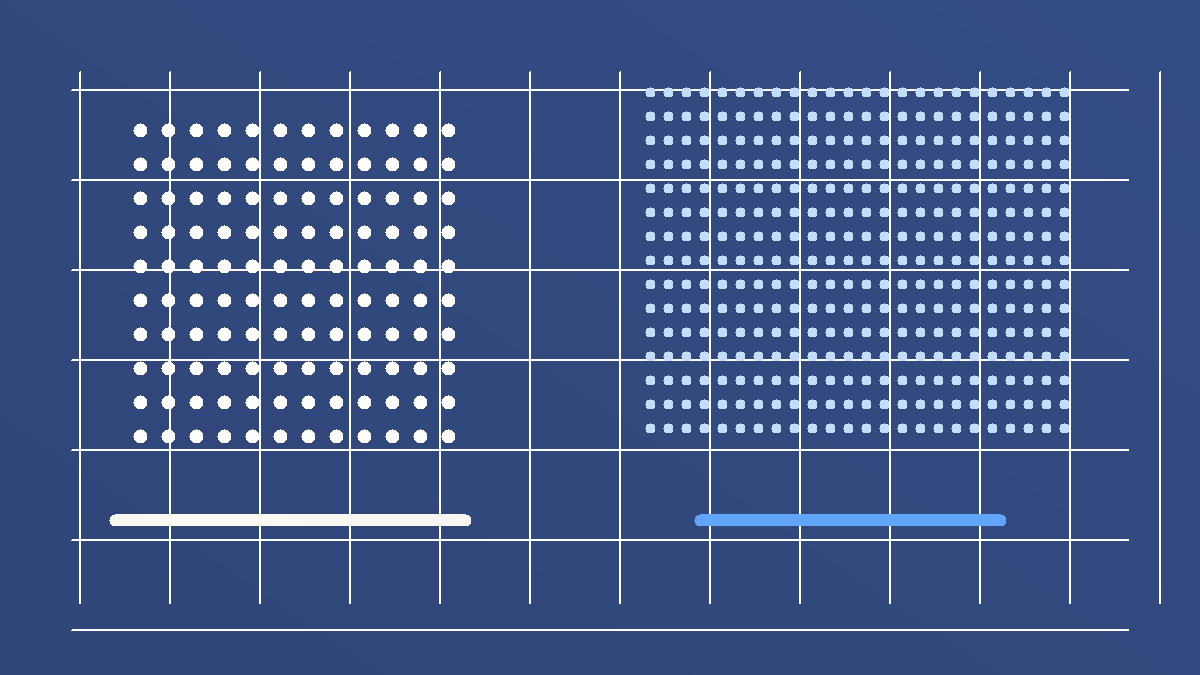
Twice as much data does not make estimates twice as precise
For many averages, cutting random error in half takes about four times as many observations. Precision has square-root returns.