You need to enable JavaScript to run this app.
Math Says Yes
Lessons
27 reusable ideas behind the facts.
English
Español
Français
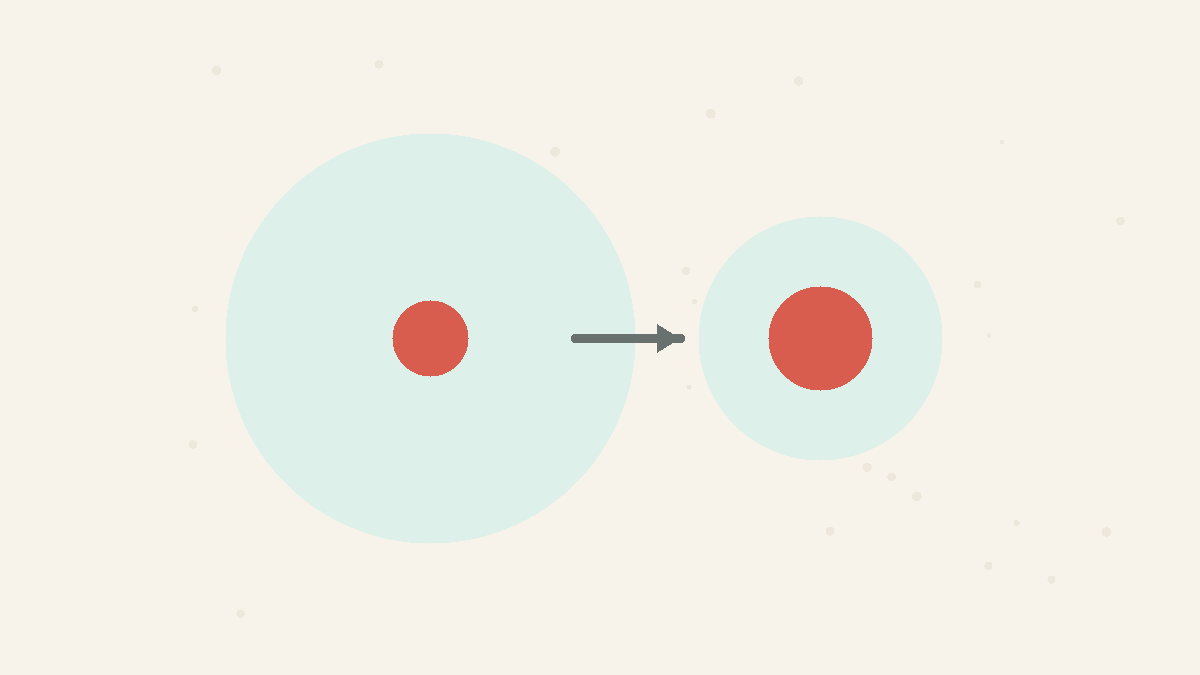
Ask for the Absolute Number
A percentage change is meaningless without the base it changes.
easy
Averages Hide the Shape
A single number cannot capture a lopsided distribution.
easy
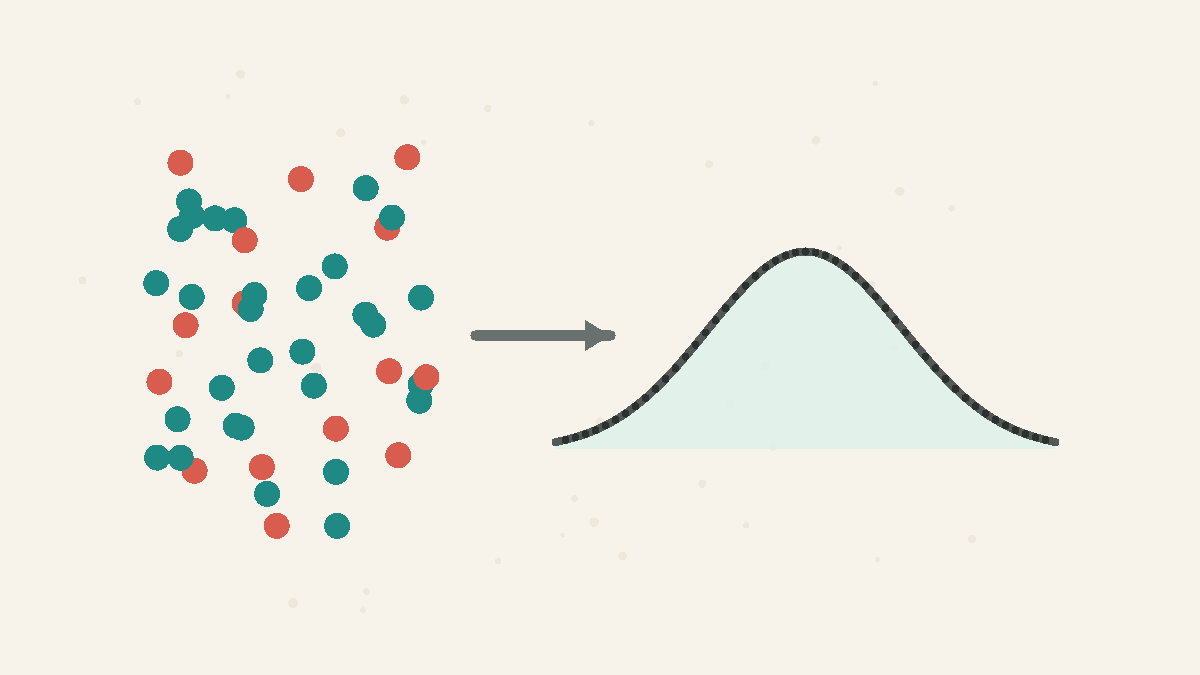
Averages Stabilize in Shape
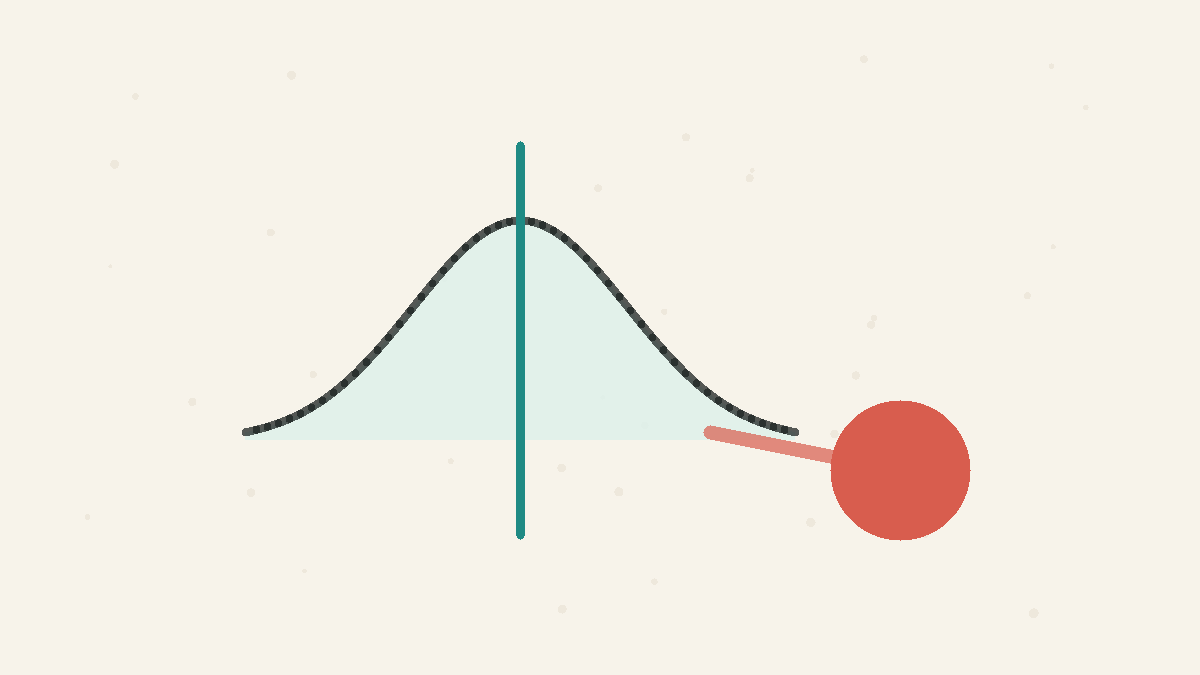
Individual observations can be messy, skewed, or spiky, yet averages of many independent observations often settle into a predictable bell-shaped pattern.
medium
Big Numbers Need Ranges
Large-scale claims are often estimates, so the honest answer includes assumptions and uncertainty.
easy
Chance Has No Memory
Past results don't change the odds of an independent event.
easy
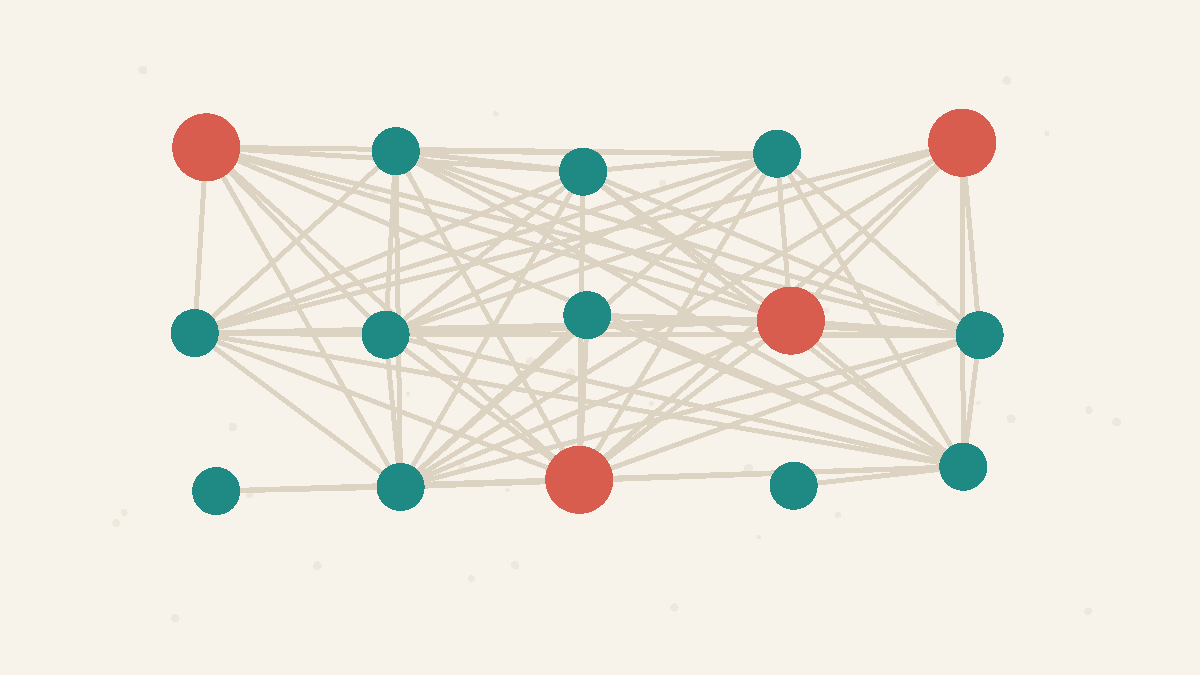
Collisions Grow Faster Than Intuition
The number of possible pairs grows roughly with the square of the group size.
easy
Completing a Set Takes Longer Than You Think
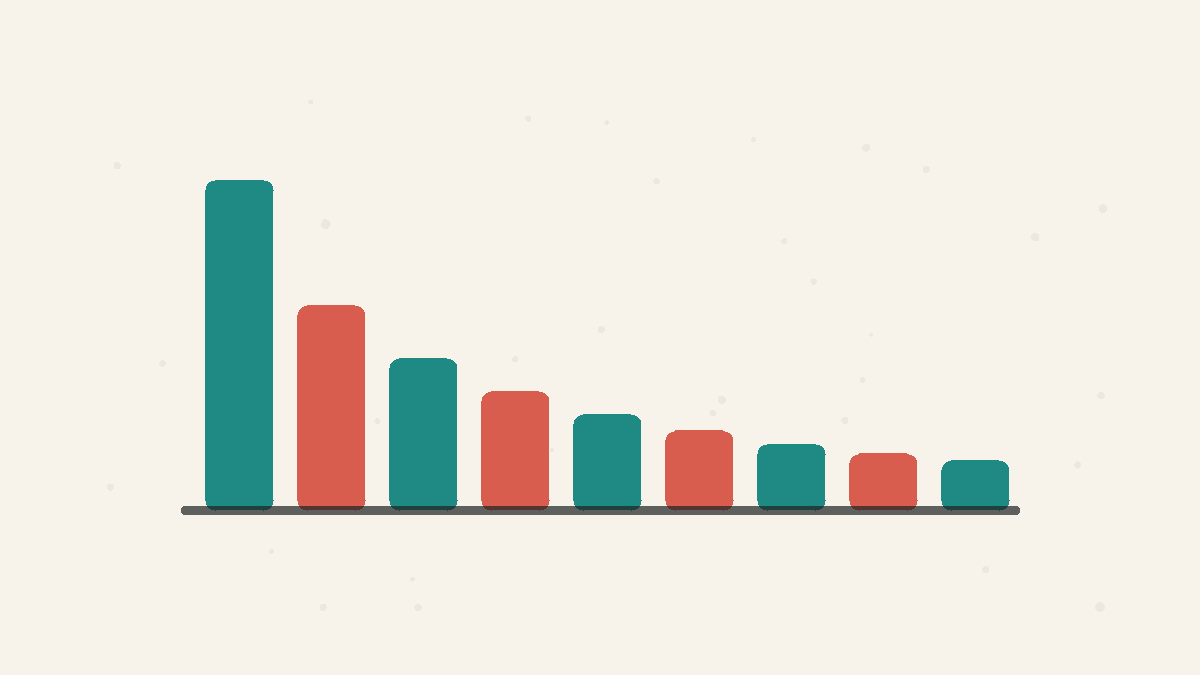
Filling in the last few items of a collection costs far more than the early ones, because duplicates pile up near the end.
easy
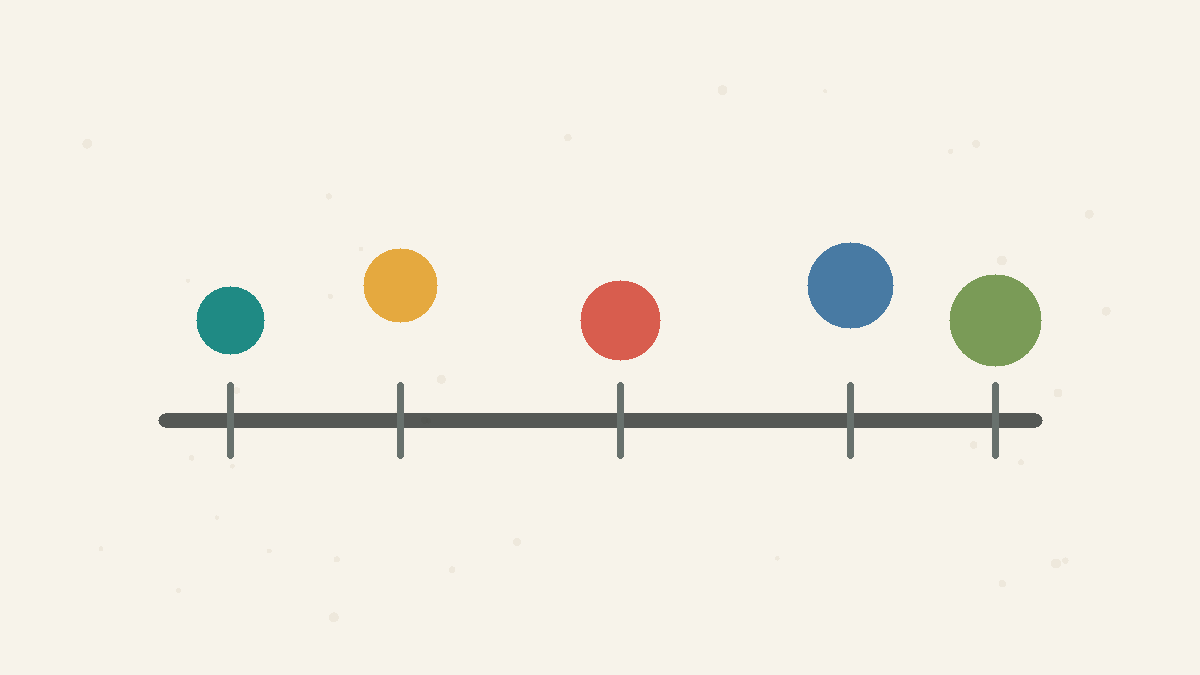
Doubling Outruns Intuition
Repeated doubling stays small, then explodes past anything you expected.
easy
Extremes Drift Back to Average
Record-setting and rock-bottom results usually move toward the average next time, with no cause behind it.
medium
Feel the Zeros
Each extra zero is a ten-fold jump our gut quietly ignores.
easy
First Digits Are Not Always Uniform
Many real-world quantities spread over several orders of magnitude, so smaller first digits appear more often.
medium
Framing Changes the Message
How a number is shown steers what people conclude from it.
easy
Independent Errors Cancel
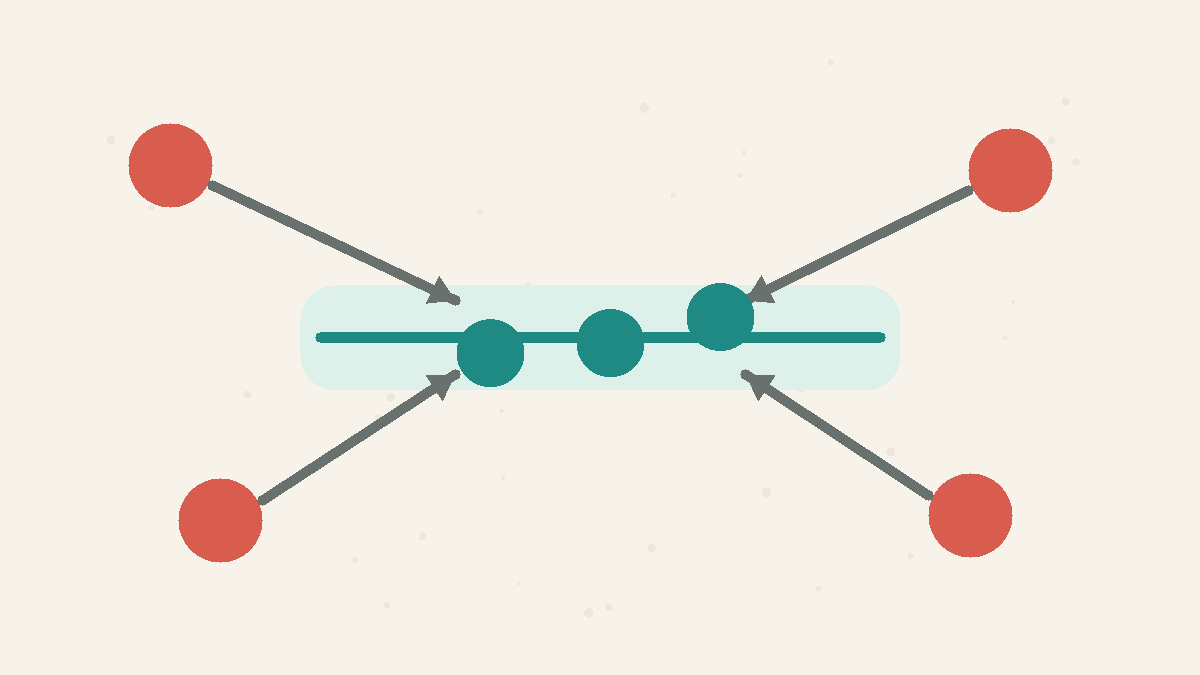
Average many independent guesses and their random errors offset, leaving an estimate closer to the truth than most individuals.
easy
Metrics Change Behavior
A metric can be a useful signal until people are rewarded for moving it; then the signal often gets gamed.
easy
New Information Changes the Odds
Conditional probability is about updating the sample space after you learn something.
easy
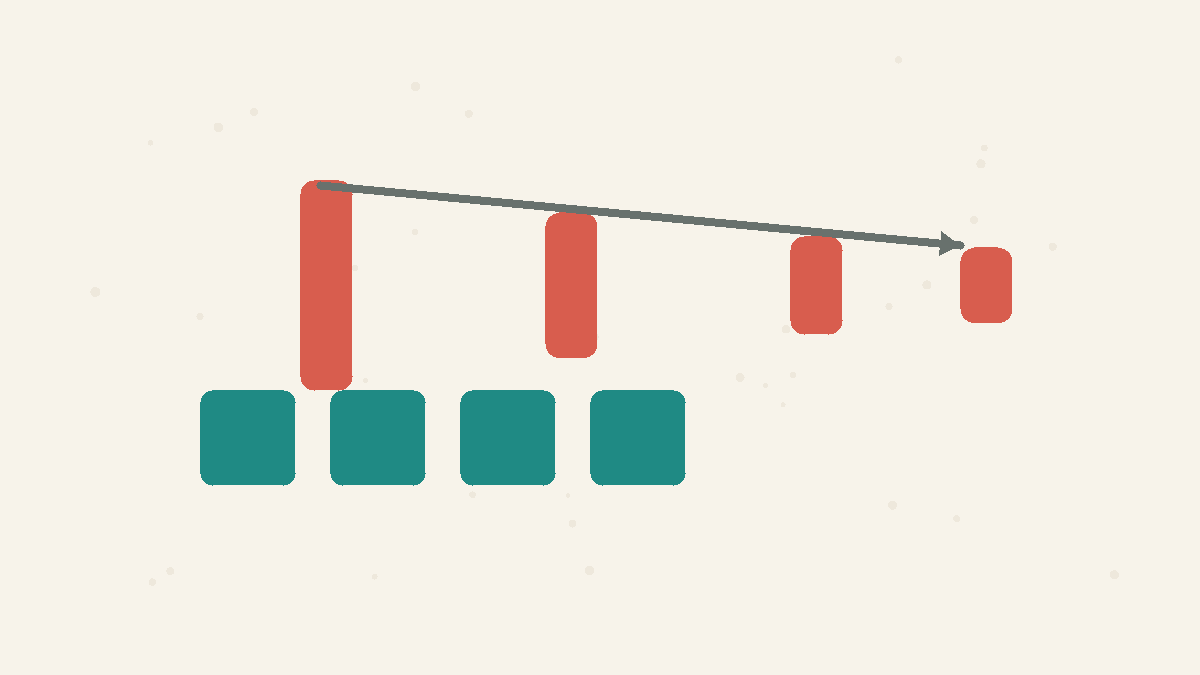
Precision Has Square-Root Returns
More data helps, but random error shrinks slowly: to halve the noise in an average, you usually need four times as many observations.
medium
Put Risks on One Scale
Compare dangers by a common unit, not by how vivid they are.
easy
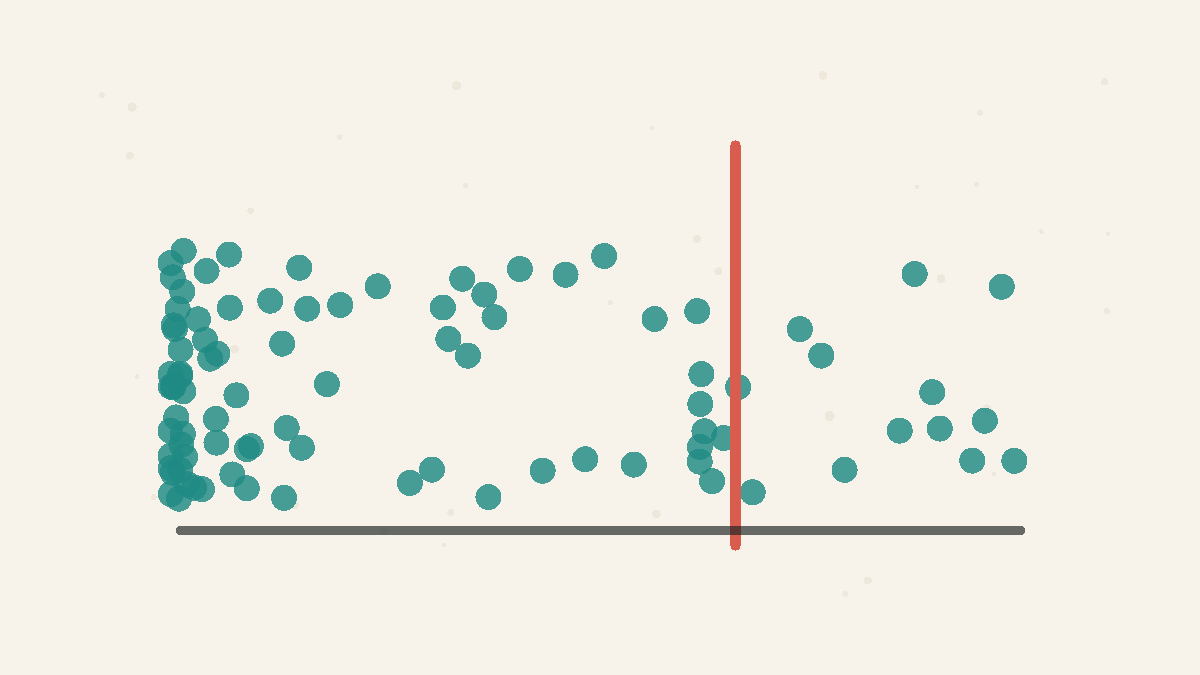
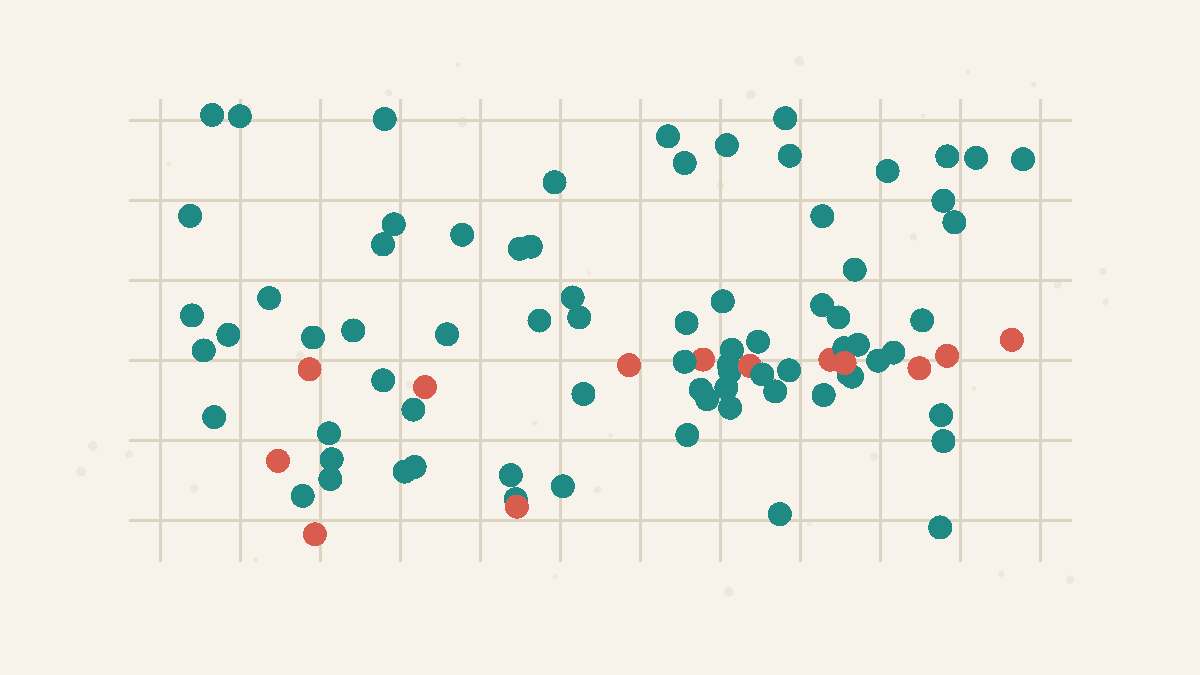
Random Looks Streaky
Real randomness clumps; an even, tidy spread is the surprise.
medium
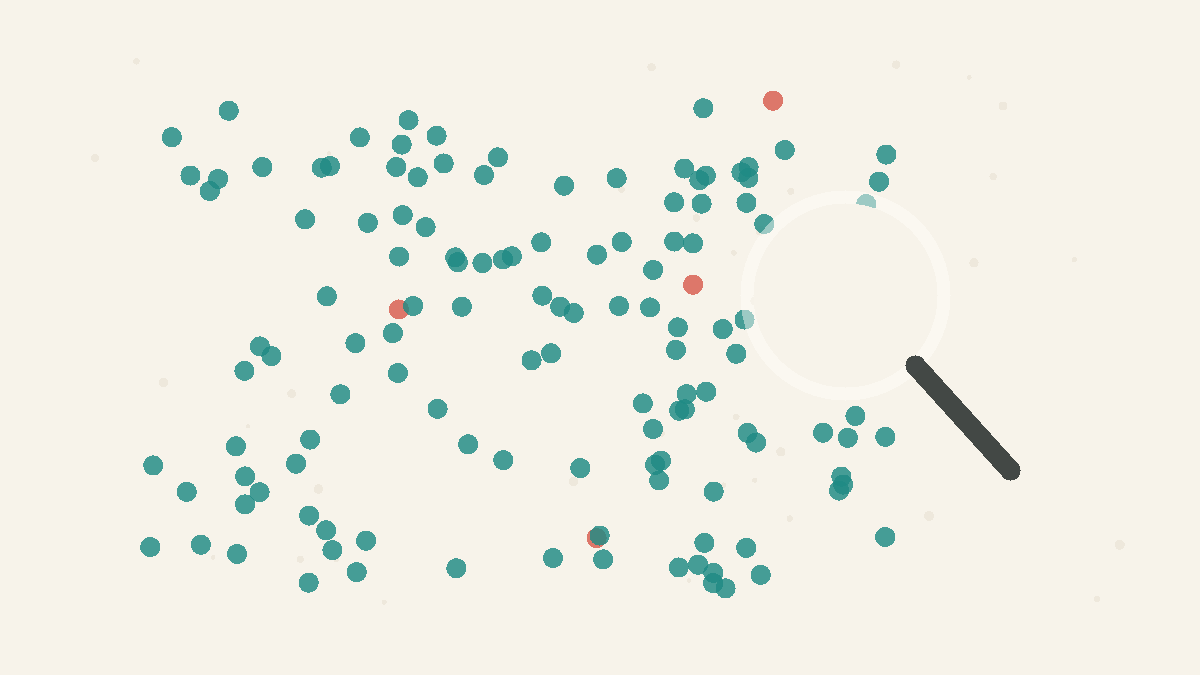
Rare Things Stay Rare
Even strong evidence can mislead when the thing you are testing for is very uncommon.
medium
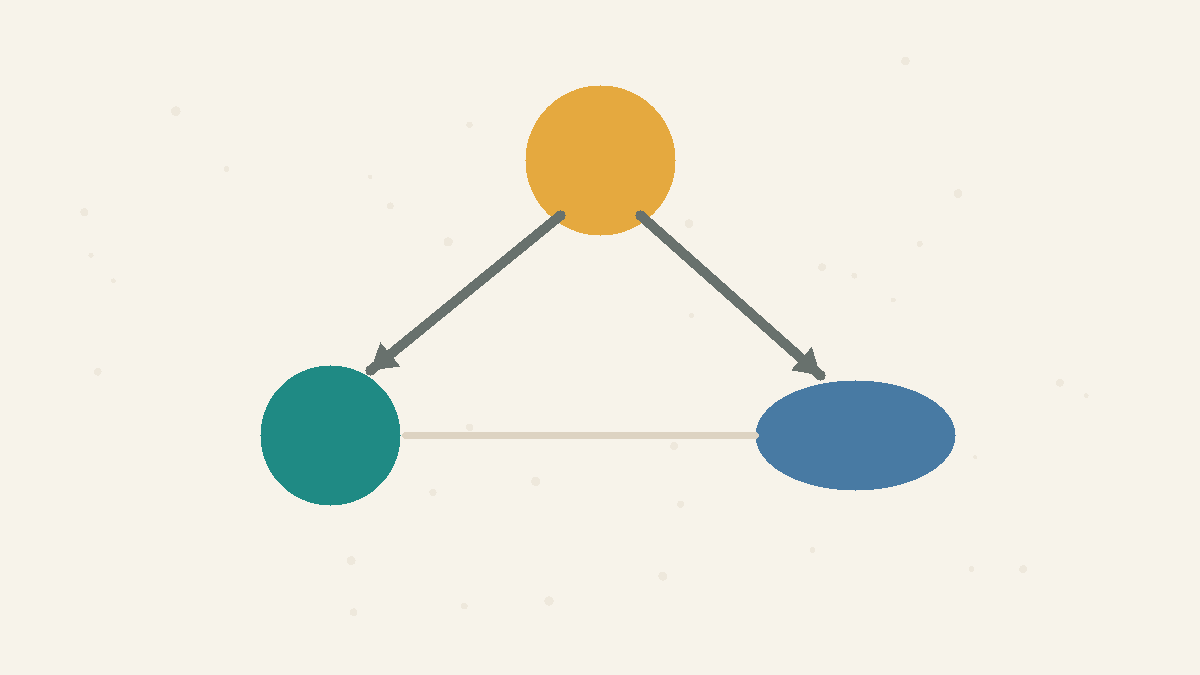
Shared Causes Fake Links
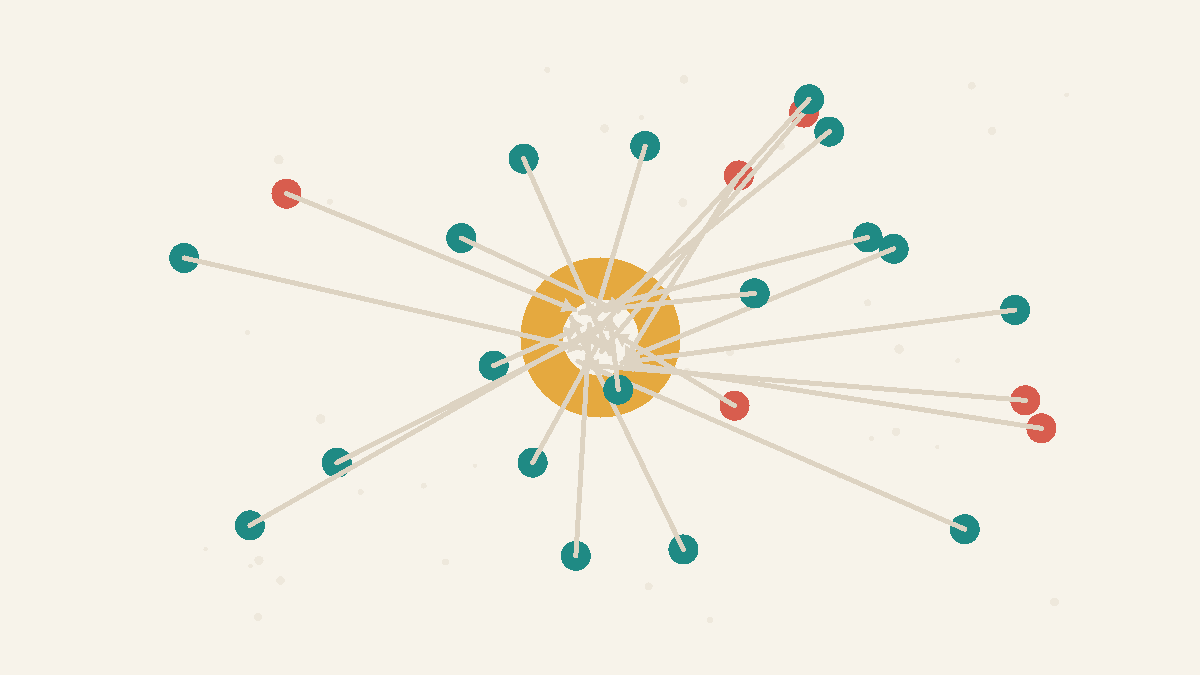
A hidden common cause can make unrelated things move together.
easy
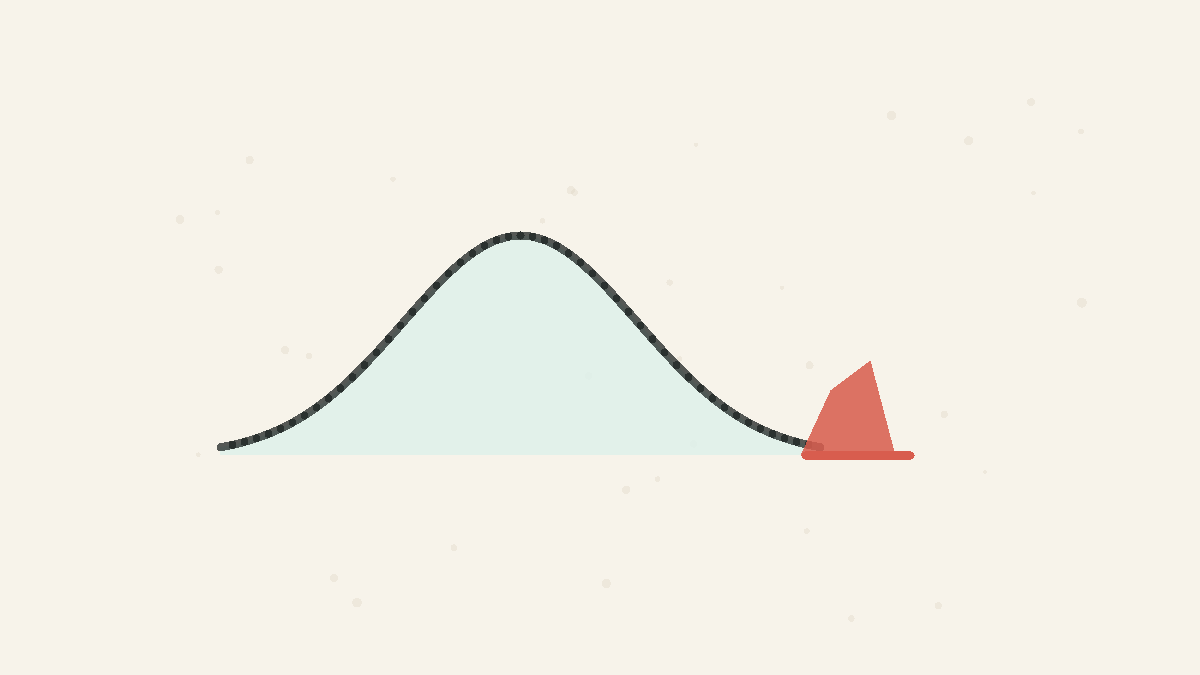
Small P Is Not Proof
A small p-value says the data would be surprising under a null model, not that the claim is probably true or important.
medium
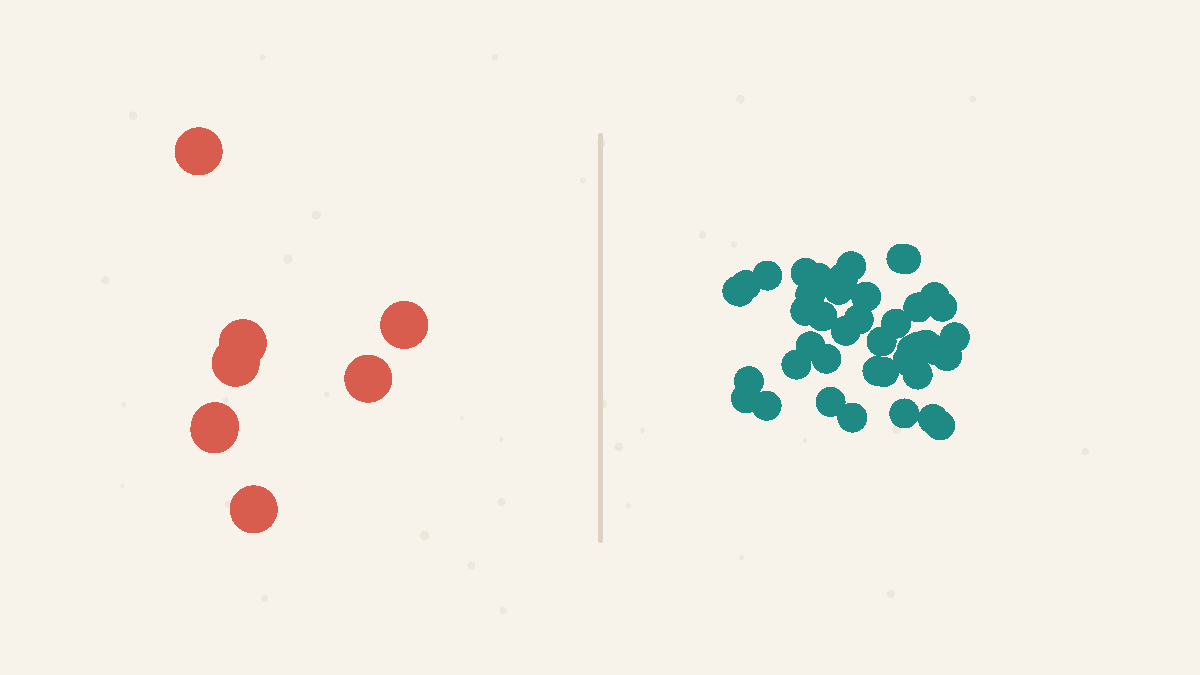
Small Samples Are Noisy
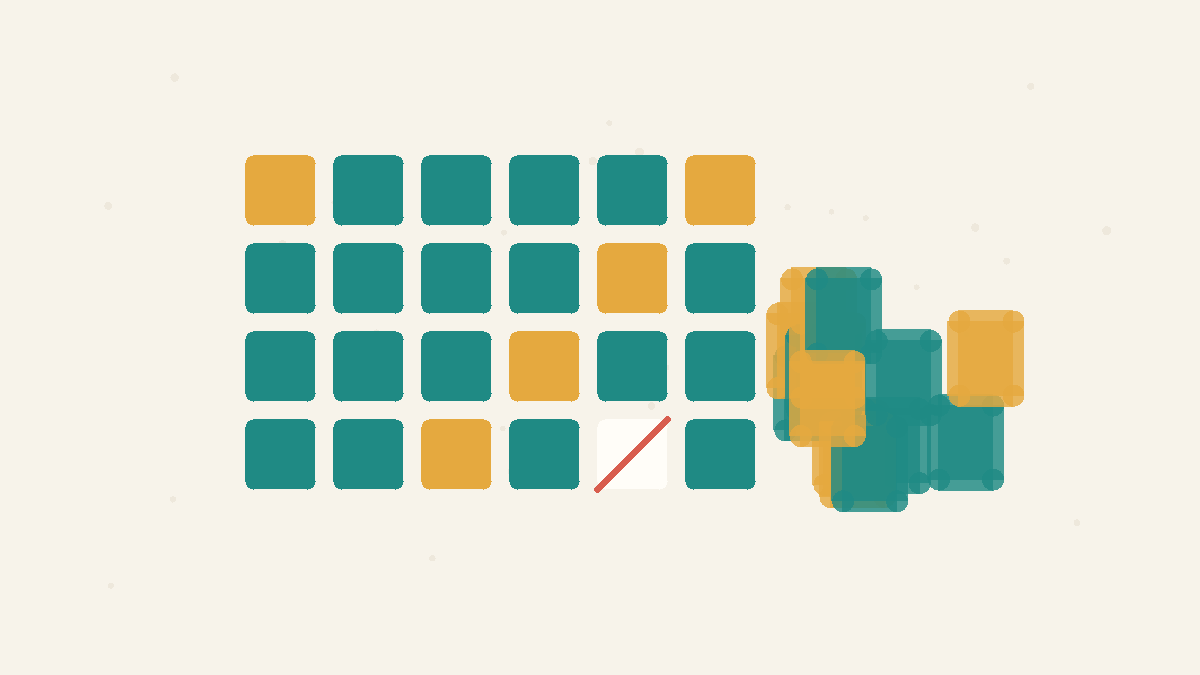
A small sample can land far from the truth by luck alone, while a larger one averages that luck away. This lesson shows how spread shrinks with the square root of the sample size and why the smallest groups dominate the extremes of any ranking.
medium
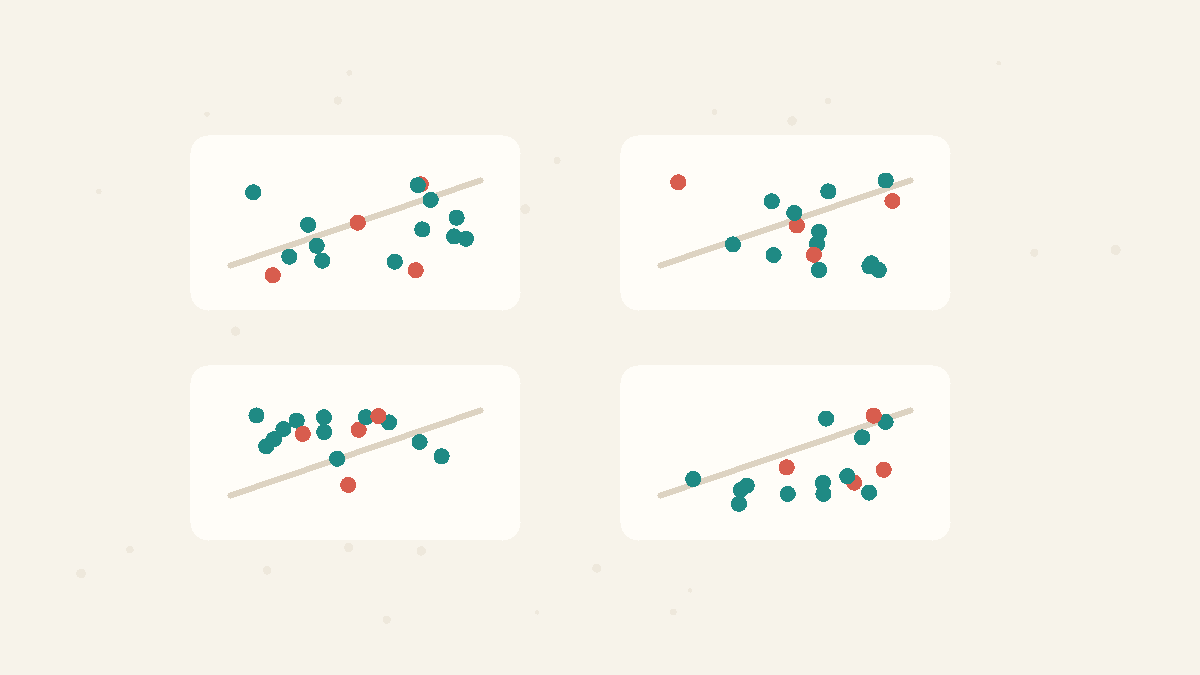
Summaries Need Pictures
Means, variances, correlations, and regression lines can match while the underlying data tell completely different stories.
easy
The Average Isn't the Whole Story
Expected value ignores how badly the rare outcome would hurt.
medium
The First Number Anchors
An arbitrary starting number drags every estimate toward it.
easy
The Sample You See Matters
Your conclusion can be wrong when the data you see excludes important missing cases.
easy
Uncertainty Needs Ranges
A measured number is usually a best estimate with sampling wobble around it, so honest comparisons need ranges as well as point estimates.
easy
Download on the App Store
·
Get the app on Google Play